

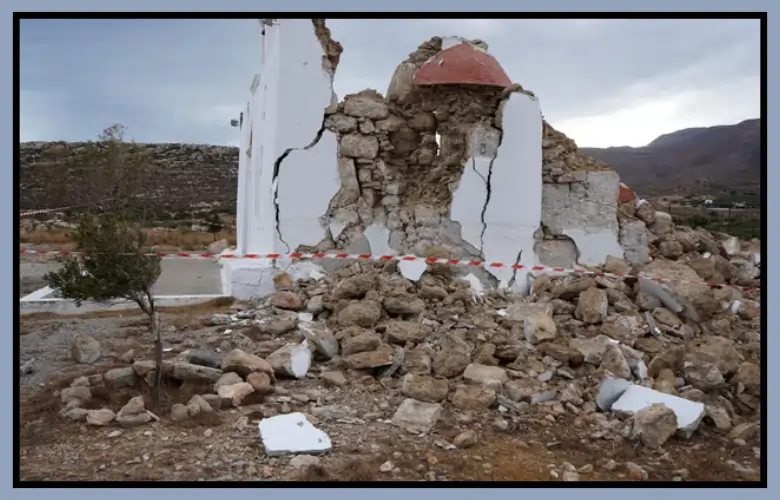
When looking up earthquakes, one of the most common terms to pop up is Rhodes, an island in Greece. It is known to be located in an area that is highly prone to experiencing earthquakes. The term rhodes greece earthquake today has become popular whenever there is any sign of any seismic activity in the Aegean zone. Rhodes being close to areas where plates converge, some movements could take place underground. They will be quite insignificant as there will be no danger for those staying in the island. According to current records, no major earthquake has occurred in Rhodes island today.
Latest Seismic Update in Rhodes
Recent seismic monitoring shows stable conditions in Rhodes with no significant earthquake activity reported today. The island has only experienced very minor tremors, which are part of normal tectonic movement in the region. These small vibrations are usually not strong enough to be felt widely or cause any damage to infrastructure.
There are currently no emergency alerts, tsunami warnings, or evacuation notices for Rhodes. Daily life continues normally, including tourism, transportation, and public services. Authorities continue to monitor the situation closely using advanced seismic detection systems.
Key points:
- No major earthquake recorded in Rhodes today
- Only minor regional tremors detected
- No damage or emergency warnings issued
- Normal activity continues across the island
Geological Reasons Behind Earthquakes in Rhodes
Rhodes lies near a complex tectonic boundary where major plates of the Earth’s crust interact. This geological setting makes the region naturally prone to frequent seismic activity. Pressure builds up beneath the surface as these plates move, and this energy is released in the form of small earthquakes.
Most of these earthquakes are low in magnitude and occur deep underground, which reduces their impact on the surface. While the region is active, it does not mean that destructive earthquakes happen regularly. Instead, it experiences continuous minor adjustments in the Earth’s crust.
Important geological facts:
- Rhodes is located near African and Eurasian plate boundary
- Part of the active Hellenic seismic arc
- Frequent micro-earthquakes occur annually
- Strong earthquakes are rare but possible
Regional Seismic Activity Around the Aegean Sea
Many discussions about rhodes greece earthquake today are linked to seismic activity in the wider Aegean region rather than the island itself. Small offshore earthquakes frequently occur in nearby waters due to tectonic movement. These tremors are often detected by scientific instruments but may not always be felt by people on land.
Occasionally, residents or visitors may notice mild shaking, but it is usually brief and harmless. These movements are part of the natural geological behavior of the region and do not indicate an unusual increase in risk.
Regional observations:
- Frequent small offshore quakes in Aegean Sea
- Light tremors occasionally felt in nearby islands
- No increasing trend in seismic danger
- Continuous natural tectonic movement
Earthquake Monitoring and Early Detection Systems
Modern seismic monitoring technology plays a major role in tracking earthquake activity in Rhodes and surrounding regions. Advanced sensors placed both on land and under the sea detect even the smallest ground movements. These systems provide real-time data to scientific agencies for analysis and public safety.
The information collected helps experts quickly identify any unusual seismic activity and distinguish between harmless tremors and potentially dangerous earthquakes. This constant monitoring ensures that any significant event is detected and reported immediately.
Monitoring features:
- Real-time seismic detection systems
- Network of land and underwater sensors
- Instant reporting of significant earthquakes
- Continuous scientific data analysis
Safety Tips for Earthquake Preparedness
Even though there is no major risk indicated by rhodes greece earthquake today, basic earthquake preparedness is still important in this region. Rhodes is built with relatively strong infrastructure, especially in tourist areas, but individuals should still know how to react during shaking.
Preparedness helps reduce panic and ensures safety in unexpected situations. Simple precautions can make a significant difference if a stronger tremor ever occurs in the future.
Safety recommendations:
- Stay calm during any shaking
- Move away from glass and heavy objects
- Take cover under sturdy furniture indoors
- Keep essential supplies like water and flashlight ready
- Follow official emergency instructions if issued
What to Do During an Earthquake
If an earthquake occurs, quick and correct action is essential for safety. Indoors, the safest response is to drop to the ground, cover your head, and hold on until the shaking stops. Outdoors, you should move to an open area away from buildings, trees, and power lines.
After the shaking ends, it is important to stay alert for official updates rather than relying on social media information. Aftershocks may follow, but they are usually weaker than the initial tremor.
Emergency actions:
- Drop, cover, and hold on indoors
- Move to open space if outside
- Avoid elevators during shaking
- Stay away from unstable structures
- Expect possible aftershocks
Travel and Tourism Conditions in Rhodes
Despite searches related to rhodes greece earthquake today, there is currently no disruption to travel or tourism in Rhodes. Flights, ferries, hotels, and local transport services are operating normally. The island remains one of the most stable and popular tourist destinations in the Mediterranean region.
Minor seismic activity does not typically affect tourism infrastructure or visitor safety. Travelers can continue their plans without concern based on current conditions.
Travel overview:
- No flight cancellations or delays reported
- Hotels and resorts fully operational
- Tourist attractions open as usual
- No government travel restrictions
Misinformation and Online Confusion
Earthquake news often spreads quickly online, sometimes leading to confusion or unnecessary concern. Small tremors are occasionally exaggerated on social media and presented as major earthquakes. In other cases, older seismic events are shared as current news.
This is why it is important to rely on verified scientific sources rather than unconfirmed posts. Understanding the difference between micro-earthquakes and significant seismic events helps avoid panic and misinformation.
Common issues:
- Misleading social media posts
- Old earthquake reports shared as current
- Confusion between nearby regional activity
- Misinterpretation of seismic data
(FAQs)
1. Is there any major earthquake in Rhodes today?
No, there is no confirmed major earthquake in Rhodes today. Only minor regional tremors may occur in the wider Aegean area, which are generally weak and not dangerous. The island remains stable with no reports of damage or emergency situations.
2. Why is rhodes greece earthquake today often searched online?
The phrase rhodes greece earthquake today is commonly searched because Rhodes is located in a seismically active zone. Even small tremors in nearby regions often lead people to look for real-time updates and safety information.
3. Are earthquakes common in Rhodes, Greece?
Yes, small earthquakes are relatively common in Rhodes due to its position near tectonic plate boundaries. However, most of these are low in magnitude and do not cause any serious impact on daily life or infrastructure.
4. Is it safe to travel to Rhodes after earthquake reports?
Yes, it is generally safe to travel to Rhodes. Even when minor tremors occur, tourism, transportation, and hotel services continue normally. The island has strong infrastructure designed to handle seismic activity.
5. What should I do if I feel an earthquake in Rhodes?
If you feel shaking, stay calm and move away from windows and heavy objects. Indoors, take cover under sturdy furniture. Outdoors, move to an open area away from buildings and electricity lines until the shaking stops.
Conclusion
In summary, according to the most recent updates, there is currently no seismic danger facing Rhodes. However, some small quakes have been recorded in the region in what is considered natural geological phenomena. This curiosity about rhodes greece earthquake today arises because of the position of the island within a highly tectonically active area, where quakes are often experienced. At the moment, the inhabitants and tourists visiting Rhodes can do so without being threatened by any danger. Rhodes has not had any disturbance of its regular operations.
