

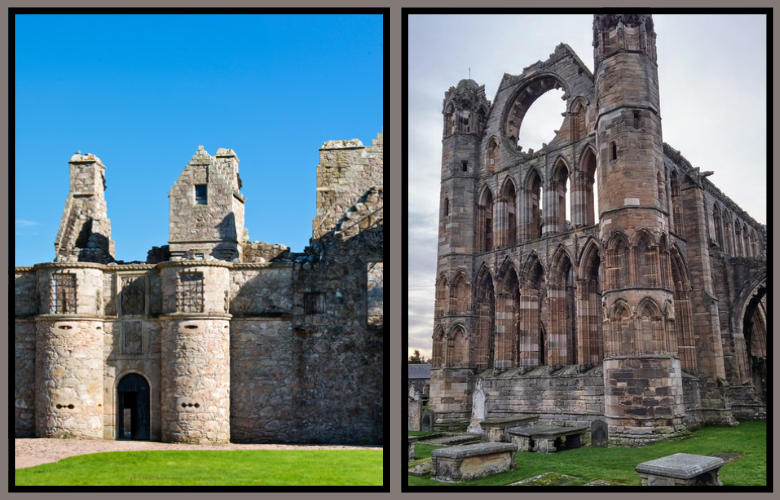
historic scotland is arguably the country with the richest history in the world; a place famed for its castle-filled past, royal history and stunning landscapes. It is a place of stunning Highland views as well as cities such as Edinburgh and Stirling that offer travelers a glimpse into an amazing historical tour. Travelers can take in sights including medieval castles, ancient settlements and even UNESCO World Heritage Sites in the process of discovering what Scotland has to offer travelers in terms of centuries-old cultural development. Every area of the country has its own history based on war and king.
What Makes Scotland’s Heritage Sites So Important
Scotland’s heritage sites represent the cultural identity and historical evolution of the nation. These landmarks include castles, abbeys, battlefields, and ancient settlements that date back hundreds or even thousands of years. They provide insight into how Scotland developed politically, socially, and architecturally over time. Many sites are still studied by archaeologists and historians to better understand medieval life and early civilizations.
These attractions are not only educational but also deeply emotional for visitors who want to connect with the past. Walking through ancient ruins or restored castles allows travelers to imagine how people lived centuries ago. The preservation of these sites ensures that Scotland’s identity remains strong and visible for future generations.
The Historical Evolution of Scotland
Scotland’s history spans thousands of years, beginning with early Neolithic communities and evolving through Celtic, Roman, Viking, and medieval influences. Ancient settlements and stone structures reveal how early societies lived and survived in challenging environments. Over time, Scotland developed into a powerful kingdom with strong cultural traditions and political structures.
During the medieval period, castles became central to defense and governance. Churches and monasteries played a key role in education and religion, shaping society across the region. These historical layers make Scotland one of the richest cultural landscapes in Europe.
Famous Castles and Monuments in Scotland
Scotland is home to more than 2,000 castles, ranging from ruined fortresses to well-preserved royal residences. Each castle reflects a different era of Scottish history, from clan battles to royal ceremonies. These structures were often built in strategic locations to defend land and control important routes.
Today, many castles are open to the public and offer immersive experiences through exhibitions and guided tours. Visitors can explore towers, halls, and underground chambers while learning about historical events. This makes castle tourism one of the most popular activities in the country.
Edinburgh Castle: Scotland’s National Icon
Edinburgh Castle is one of the most important landmarks in Scotland and a powerful symbol of national identity. It sits on top of Castle Rock, overlooking the capital city and dominating its skyline. For centuries, it has served as a royal residence, military fortress, and political stronghold.
Inside the castle, visitors can see Scotland’s Crown Jewels and the Stone of Destiny, both deeply connected to royal traditions. Museums and exhibitions also highlight Scotland’s military and political history. Its breathtaking views and historical significance make it one of the most visited attractions in the country.
Stirling Castle and Scotland’s Royal Legacy
Stirling Castle is one of Scotland’s most historically significant fortresses, playing a major role during the Wars of Scottish Independence. It was a key location for battles that shaped the nation’s future and helped establish Scottish independence. Many kings and queens lived here, including Mary, Queen of Scots.
The castle features beautifully restored royal apartments, grand halls, and Renaissance-style architecture. Visitors can explore how Scottish royalty lived and governed during important historical periods. Its location also offers stunning views of the surrounding countryside, adding to its appeal.
Urquhart Castle and the Loch Ness Region
Urquhart Castle sits beside the famous Loch Ness and is one of Scotland’s most scenic historic ruins. The castle has witnessed centuries of conflict, clan battles, and political struggles. Although now partially destroyed, it remains a powerful symbol of Scotland’s medieval past.
Visitors can explore the remaining towers, walls, and exhibition areas that explain its long history. The combination of dramatic scenery and ancient ruins creates a unique atmosphere. Many travelers visit this site as part of their exploration of the Highlands.
Skara Brae: A Window into Prehistoric Life
Skara Brae is one of Europe’s most important prehistoric settlements, located in the Orkney Islands. This village is over 5,000 years old and provides rare insight into Neolithic life. It is older than both Stonehenge and the Egyptian pyramids, making it globally significant.
The site contains stone houses, furniture, and tools that were preserved for thousands of years. These discoveries help historians understand how early humans lived and adapted to their environment. Skara Brae remains one of the most fascinating archaeological sites in the world.
UNESCO World Heritage Sites in Scotland
Scotland is home to several UNESCO World Heritage Sites recognized for their global cultural importance. These sites reflect outstanding historical, architectural, and scientific value. They are protected to ensure preservation for future generations.
UNESCO recognition also boosts tourism and encourages sustainable travel practices. Visitors from all over the world travel to Scotland specifically to explore these protected heritage landmarks. Each site offers a unique story connected to Scotland’s history.
Major UNESCO Sites in Scotland
- Old and New Towns of Edinburgh
- Heart of Neolithic Orkney
- New Lanark
- St Kilda
- The Forth Bridge
The Role of Castles in Scottish History
Castles played an essential role in Scotland’s history as defensive structures, royal homes, and symbols of power. They were built to protect land and control important regions during times of conflict. Over centuries, they became central to political and military life.
Many castles witnessed wars, royal ceremonies, and clan disputes that shaped the nation’s identity. Today, they stand as powerful reminders of Scotland’s past. Exploring these castles helps visitors understand the country’s complex and fascinating history.
Best Time to Visit Scotland’s Historic Sites
The best time to explore Scotland’s historic attractions is between May and September. During this time, weather conditions are more suitable for travel and outdoor exploration. Longer daylight hours allow visitors to explore more attractions in a single day.
Spring and autumn are also great seasons because they offer fewer crowds and scenic landscapes. Winter can be beautiful too, especially in historic cities with festive events. Proper preparation is important due to Scotland’s unpredictable weather.
Travel Tips for Visiting Scotland’s Heritage Sites
Planning ahead is essential when visiting Scotland’s historical destinations. Many attractions offer online ticket booking, making travel more convenient. Guided tours are highly recommended for deeper historical understanding.
Visitors should also explore nearby villages, museums, and cultural sites to enrich their experience. Combining multiple destinations in one trip helps travelers make the most of their journey through Scotland’s heritage.
Essential Travel Tips
- Book tickets in advance
- Wear comfortable walking shoes
- Carry waterproof clothing
- Visit early in the day
- Use guided tours for better insights
- Explore nearby attractions
(FAQs)
1. What is Historic Scotland known for?
Historic Scotland is known for protecting and managing the country’s most important castles, monuments, and heritage sites. It preserves Scotland’s cultural history for future generations.
2. How many historic castles are there in Scotland?
Scotland has more than 2,000 castles, ranging from well-preserved royal residences to ancient ruins and battlefield fortresses across the country.
3. What are the most famous historic sites in Scotland?
Some famous sites include Edinburgh Castle, Stirling Castle, Urquhart Castle, and Skara Brae, along with many UNESCO World Heritage Sites.
4. Why is Scotland famous for history?
Scotland is famous for its long history of kings, clans, battles, and ancient civilizations that shaped its identity over thousands of years.
5. When is the best time to visit Scotland’s historic sites?
The best time to visit is between May and September when the weather is mild, and daylight hours are longer for sightseeing.
Conclusion:
In conclusion, Scotland has become one of the best historical heritage spots available anywhere in the world. These include the castles and royal houses, prehistoric settlements, UNESCO world heritage sites, and many others. Each structure has a long story behind its creation. Those who travel to such monuments learn about Scotland because its identity is shaped by wars, clans, and king. The historic scotland tourism spots have been able to maintain their legacy till date while entertaining visitors from across the globe.
