

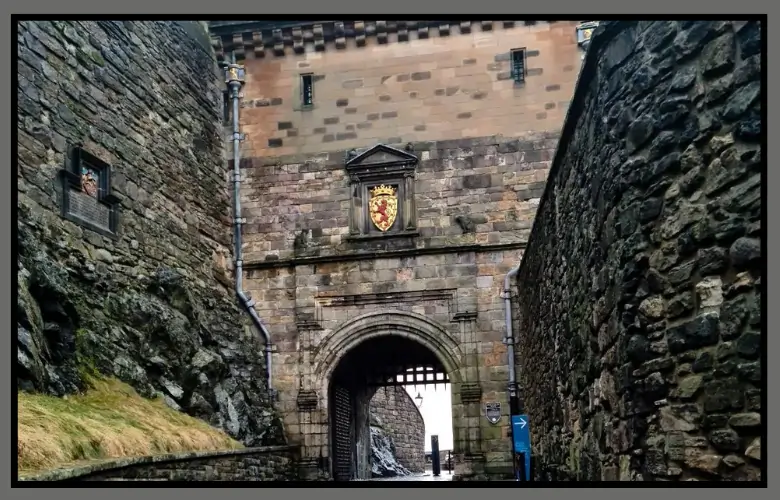
Edinburgh Castle Inside is a well-known historical landmark in Scotland as well as an important attraction in the United Kingdom. Being situated on Castle Rock, it commands a view of the city of Edinburgh and gives a clear view of the historical royal and military history of the nation. It has served as the witness to several battles, royal celebrations, and historic events that have taken place in Scotland. In the current era, it serves as an important place for visitors due to its unique architectural structure and historical significance. This guide will enable you to know all about Edinburgh Castle.
The History Behind Edinburgh Castle
Edinburgh Castle has a history that is more than 1,000 years old. It sits on a volcanic rock, and this location made it very strong for defense. Because of this, it became one of Scotland’s most important forts.
Over time, the castle faced many battles. It changed control between Scotland and England several times. However, it always remained a strong symbol of Scottish pride.
In addition, the castle also served as a royal home. Kings and queens lived here and made important decisions for the country.
Key historical facts:
- The castle is over 1,000 years old
- It played a key role in Scottish wars
- It was a royal residence for monarchs
- It sits on an ancient volcanic rock
Royal Treasures and Historic Rooms
One of the most important areas is the Crown Room. It holds the Honours of Scotland. These include the Crown, Sword, and Sceptre. Together, they show Scotland’s royal power.
Nearby, visitors also see the Stone of Destiny. Scottish kings once used it during coronation ceremonies. Therefore, it remains a powerful symbol of the nation.
The Royal Palace is another key highlight. It shows where kings and queens once lived. For example, King James VI was born here in 1566.
Main royal highlights:
- Crown Jewels of Scotland
- Stone of Destiny
- Royal Palace rooms
- Birthplace of King James VI
Architectural Highlights of the Castle
The Great Hall is one of the most impressive buildings. It was finished in 1511 and hosted royal events. Today, it shows how kings once held large gatherings.
Inside the hall, you also see weapons and armor. These displays help visitors understand Scotland’s military past. As a result, the hall feels both historic and powerful.
Also, St Margaret’s Chapel is very important. It is the oldest building in Edinburgh. It was built in the 12th century and still stands today.
Military Museums and Historic Exhibits
The castle includes several military museums. These museums show Scotland’s army history in detail. For example, the National War Museum displays uniforms, medals, and weapons.
In addition, visitors learn how soldiers lived and fought in different wars. This makes the experience more real and meaningful.
Mons Meg is another major attraction. It is a large medieval cannon from the 1400s. It shows how strong early weapons were.
Military highlights include:
- National War Museum
- Mons Meg cannon
- Prisoners of War exhibition
- Historic weapons displays
The One O’Clock Gun is also very famous. It fires every day at 1 PM except Sundays. As a result, many tourists gather to watch it.
Stunning Views and Visitor Experience
The castle offers amazing views over Edinburgh. From the top, visitors can see the entire city. In addition, they can see hills and old streets.
Important landmarks visible include:
- Arthur’s Seat
- Royal Mile
- Calton Hill
- Princes Street Gardens
These views are very popular with photographers. On clear days, the view becomes even more beautiful.
Visitors should plan 2 to 4 hours for their visit. Also, they should wear comfortable shoes because the paths are steep. Finally, booking tickets early helps avoid long lines.
Why Edinburgh Castle Is a Must-Visit Attraction
Edinburgh Castle is one of the most important places in Scotland. It combines history, culture, and architecture in one location.
Inside the castle, visitors see royal rooms, old chapels, and historic museums. Therefore, it gives a complete view of Scotland’s past.
In conclusion, the castle remains one of the top attractions in the UK. It offers history, beauty, and unforgettable views for every visitor.
(FAQs)
1. What is inside Edinburgh Castle?
Inside Edinburgh Castle, visitors can explore royal apartments, ancient chapels, military museums, and historic halls. The Crown Jewels and Stone of Destiny are also displayed here. Every section reflects a different part of Scotland’s royal and military history.
2. How long does it take to explore Edinburgh Castle?
Most visitors spend around 2 to 4 hours inside the castle. If you want to explore museums and exhibitions in detail, you may need more time. Arriving early helps you enjoy a smoother experience with fewer crowds.
3. Is Edinburgh Castle worth visiting?
Yes, Edinburgh Castle is one of Scotland’s most important attractions. It combines history, architecture, and stunning views in one place. It is suitable for families, solo travelers, and history lovers alike.
4. What are the main highlights inside Edinburgh Castle?
Key highlights include the Crown Jewels, Great Hall, St Margaret’s Chapel, Mons Meg cannon, and the National War Museum. These attractions offer a deep look into Scotland’s royal and military past.
5. Can you see the Crown Jewels inside Edinburgh Castle?
Yes, the Scottish Crown Jewels are displayed in the Crown Room. They are among the oldest royal treasures in Britain and attract thousands of visitors every day.
Conclusion
The Edinburgh Castle Inside is still one of the greatest historic monuments in all of Scotland, providing a great experience in the history of the Scottish kings and military history in general. The castle is made of many parts, each of which carries great historical significance. From the chapels and halls of the castle to the Crown Jewels, and the huge cannons, everything about it tells a story about its fascinating history. The castle has become a landmark of Scotland and has become a source of national pride. Visiting the castle will leave you with unforgettable memories and insights into the Scottish history.
