

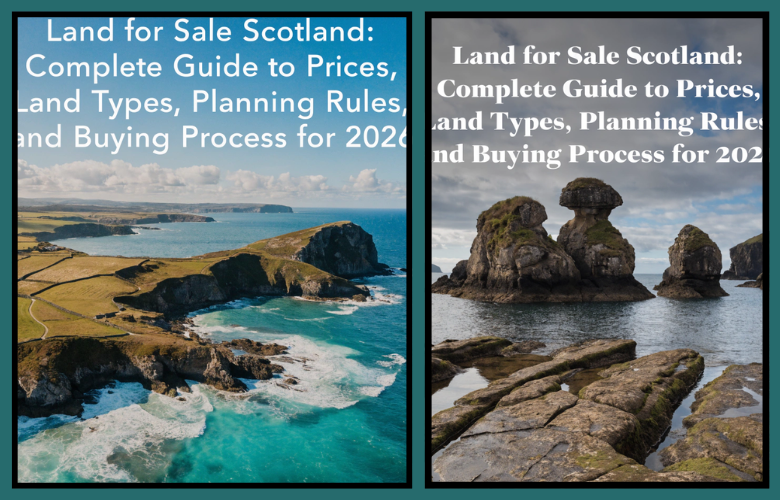
The market for rural land in Scotland continues to attract strong interest from investors, home builders, and lifestyle buyers seeking space, privacy, and long-term value. Scotland offers a unique combination of natural beauty, from rugged mountains and peaceful lochs to fertile farmland and coastal landscapes, making it one of the most desirable locations in the UK for land ownership. Many people searching for land for sale Scotland are motivated by opportunities to build custom homes, start agricultural projects, or invest in appreciating assets. However, purchasing land requires careful understanding of planning rules, legal requirements, and regional differences before making any commitment.
What is land for sale Scotland?
The term refers to all types of land available for purchase across Scotland, including residential plots, farmland, woodland, and large rural estates. Each category has different uses and legal conditions, which means not all land can be used in the same way.
Some land is suitable for building homes, while other land is strictly reserved for farming or environmental protection. In many cases, planning permission is required before any construction can take place. This makes it important for buyers to fully understand what they are purchasing before committing financially.
Land ownership in Scotland is legally secure, but it still comes with rules and restrictions. Buyers must always check land classification, access rights, and development potential before making a final decision. These factors directly affect the value and usability of the land.
Why Scotland attracts land buyers
Scotland is one of the most popular regions in the UK for land investment because it offers a rare combination of affordability and natural beauty. Compared to southern parts of the UK, rural land in Scotland is often more accessible in price, which makes it attractive for both new and experienced buyers.
The country offers a wide variety of landscapes, including mountains, farmland, forests, and coastal regions. This allows buyers to choose land based on their personal goals, whether they want to build a home, start farming, or invest for long-term returns.
Another important reason for rising demand is lifestyle change. Many people now prefer rural living due to its peaceful environment and better quality of life. As demand continues to grow while supply remains limited, land in desirable areas becomes more valuable over time.
Types of land available in Scotland
Scotland offers several types of land, each designed for different purposes. Residential plots are among the most sought-after options, especially for people who want to build custom homes. These plots are often located in villages or scenic countryside areas. Some already have planning permission, while others require approval before building can begin.
Agricultural land is another major category. It includes farmland used for livestock, crops, or mixed farming. This type of land is often purchased by farmers or investors looking for long-term income and stability. Its value depends on soil quality, accessibility, and location.
Woodland and natural land are also becoming more popular. These areas are often used for conservation, private recreation, or environmental projects. However, strict rules usually apply, which limit construction and major land changes. Despite these restrictions, woodland remains attractive due to its natural beauty and long-term environmental value.
Regional differences in Scotland
Different regions in Scotland offer different advantages depending on the buyer’s needs. The Highlands are known for their remote landscapes, mountains, and natural beauty. This region is ideal for people seeking privacy and open space, although infrastructure can be limited in some areas. The Scottish Borders offer a more balanced lifestyle, combining countryside living with access to towns and cities. This makes it suitable for both residential and farming purposes. The region also has historical charm and fertile land.
Aberdeenshire is one of the strongest agricultural areas in Scotland. It is known for productive farmland and a stable rural economy. Many farming investors choose this region because of its long-term agricultural potential. Central Scotland and Perthshire offer a mix of rural and urban access. These areas are popular with commuters who want countryside living while staying close to city services and employment opportunities.
Prices and market trends
Land prices in Scotland vary depending on location, land type, and planning permission status. Residential plots tend to be more expensive because they allow building potential and are in high demand among buyers. Farmland prices depend on productivity, soil quality, and accessibility. Better-quality land in accessible areas usually costs more, while remote land is generally cheaper.
Woodland and undeveloped land are often the most affordable, although scenic or well-located plots can still reach higher prices. Overall, the Scottish land market has shown steady long-term growth due to increasing demand and limited supply in desirable regions.
Planning permission and legal considerations
Planning permission is one of the most important factors when buying land in Scotland. Not all land is automatically suitable for building, even if it is privately owned. Local councils control land use and decide what type of development is allowed.
Some land is strictly reserved for agricultural use, while other plots may allow residential development under certain conditions. Buyers must carefully check planning status before purchasing to avoid limitations later.
Access rights are also essential. Land must have legal access through roads or paths, otherwise development may not be possible. Utilities such as water, electricity, and drainage should also be considered because they can significantly increase development costs.
Buying process in Scotland
Buying land in Scotland follows a structured process. First, buyers decide their purpose, such as building, farming, or investment. Once the goal is clear, suitable land is identified based on budget, location, and usability.
After selection, detailed research is carried out, including legal checks, planning status, and access evaluation. A physical visit is highly recommended to understand the land’s condition and surroundings. A solicitor then handles legal verification, including ownership checks and contract preparation. Once all details are confirmed, the purchase is completed through formal legal agreements.
Risks and challenges
Buying land in Scotland can be rewarding, but it also involves risks. One of the biggest challenges is uncertainty around planning permission, as approval is not guaranteed.
Some rural areas may lack basic infrastructure such as roads, electricity, or water supply. This can increase development costs significantly.Legal restrictions can also limit land use, especially in protected or agricultural zones. Buyers must carefully review all conditions before making a purchase.
Expert advice for buyers
Successful land buying requires careful planning and research. Buyers should always focus on long-term value rather than short-term appearance. Understanding planning rules and land classification is essential before making any commitment.
It is important to physically inspect the land to identify potential issues that may not appear in listings. Working with professional solicitors and surveyors helps reduce risk and ensures a smooth transaction process. Proper research and patience significantly increase the chances of making a successful and profitable land investment in Scotland.
- Also Read. Doug Pitt: Biography Complete Life Story Business Career and Philanthropic Work Explained
(FAQs)
1. What is included in land for sale Scotland?
It includes residential plots, farmland, woodland, and rural estates. Each category has different uses, planning rules, and development potential depending on its classification and location.
2. Can I build a house on land in Scotland?
Yes, but only if planning permission is granted by the local authority. Some plots already have approval, while others require a formal application before construction is allowed.
3. How much does land in Scotland cost?
Prices vary depending on location, land type, and access. Small plots can start from relatively low prices, while larger estates or farmland can cost significantly more.
4. Is buying land in Scotland a good investment?
It can be a strong long-term investment due to rising demand for rural property and limited supply in desirable areas. However, careful research is essential before purchasing.
5. Do I need a solicitor to buy land in Scotland?
Yes, a qualified solicitor is strongly recommended. They handle legal checks, ownership verification, and ensure all documentation is correctly completed.
Conclusion
In conclusion, the Scottish land market offers a wide range of opportunities for buyers looking to invest, build, or enjoy rural living. From residential plots and farmland to woodland and large estates, Scotland provides options for different budgets and long-term goals. However, anyone interested in land for sale Scotland must carefully consider planning permission, legal restrictions, access rights, and infrastructure before making a purchase. Proper research and professional advice are essential to avoid risks and ensure a successful investment. With the right approach, buying land in Scotland can deliver strong lifestyle benefits and long-term financial growth.
