

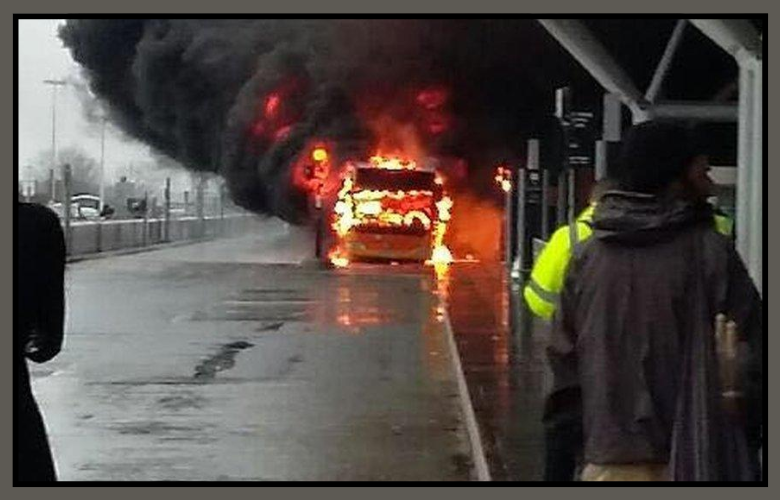
Rumours of a fire at the London Stansted Airport could create instant fear among travellers, families and those picking up the travellers. Photos showing smoke, fire engines or a busy airport terminal might appear on various online platforms even before confirmation of what is really going on. Nonetheless, sounding of an alarm, evacuation and a fire incident at an airport are different scenarios. Certain cases only involve one part of the airport like lounges, hotels or access points without stopping the operations on the runways and cancellation of all the flights. The following document provides the latest verified information about any fire, incidents, delays and what the travellers need to do before making any trip.
Latest Information for Passengers
At the time of review, London Stansted Airport’s official website continued to provide live flight tracking for departures and arrivals. Passengers can search by flight number or destination to see the latest available status. This does not guarantee that every service will leave on time, because weather, air traffic and technical problems can also cause delays. Travellers should check their airline’s app alongside the airport’s flight board. The airline controls boarding, cancellations and alternative travel. A general report about the airport may not apply to every flight.
Anyone searching for a current fire report should check the date of the event, not only the upload date of a video or article. Social media accounts often share old clips again when a similar topic starts trending. A useful update should name the affected area and explain whether passengers can enter the terminal or security zone. It should also state whether flights, roads or railway services face disruption. Reports without these details may create more confusion than help. Passengers should avoid cancelling bookings until the airport or airline provides clear advice.
Fire at the Airport Hotel in March 2026
Essex County Fire and Rescue Service attended a fire at the Hampton by Hilton hotel at Stansted Airport on 9 March 2026. Firefighters received the call at 10.27 am and found the fire on the building’s third floor. Staff evacuated the hotel while crews dealt with the incident. Everyone was accounted for, and the fire service reported no injuries. Firefighters extinguished the fire by 11.15 am. The event affected an airport hotel rather than the main passenger terminal.
This difference matters because airport-related headlines can refer to several locations. The wider site includes hotels, car parks, offices, roads and transport facilities as well as the terminal. A hotel fire may affect guests, taxis and nearby traffic without stopping runway operations. Passengers staying near the airport should contact their hotel directly if an incident occurs. They should check their flight separately instead of assuming that the airline has cancelled it. Identifying the exact location helps travellers make better decisions.
Departure-Lounge Fire in September 2025
A small fire affected the departure lounge at Stansted Airport on 24 September 2025. The incident caused smoke and forced staff to restrict access near the security search area. Airport firefighters controlled the fire, and reports stated that no one suffered injuries. Staff evacuated the immediate area while emergency teams made it safe. The departure lounge reopened later, and flights continued to operate. However, passengers experienced queues and delays because the security restriction created a backlog.
This event shows how a limited fire can disrupt a busy airport without closing it completely. Travellers continued to arrive while security access remained restricted. Once the area reopened, security staff still had to check every passenger and control crowd levels. They could not allow everyone to enter at the same time. Some travellers therefore faced delays even after firefighters had resolved the immediate problem. The remaining queues became the main cause of disruption.
Why a Small Fire Can Delay Many Flights
Airports depend on several connected processes. Passengers must check in, drop off luggage, pass through security and reach the correct gate. Aircraft also need fuel, cleaning, catering, baggage loading and safety checks. When staff close one passenger area, the delay can spread through the whole system. An aircraft may stand ready outside while its passengers remain behind a restricted security entrance. The airline may then delay boarding until enough people reach the gate.
Aircraft also follow planned take-off slots. When boarding starts late, a plane may miss its original slot and wait for another one. The same aircraft may operate several flights during the day, so one delay can affect later journeys. A late plane may also occupy a stand that another service needs. These knock-on problems can continue after the terminal returns to normal. This is why Stansted Airport fire delays may last longer than the actual emergency.
Crew working hours can create another problem. Pilots and cabin crew must follow safety limits and take enough rest. If a delay becomes too long, the airline may need a replacement crew. The airline may cancel the flight when no replacement staff are available. Engineers may also need time to inspect wiring, ventilation and nearby equipment. These checks reduce the chance of smoke, damaged equipment or another fire causing further harm.
Checking Your Flight Before Leaving Home
Passengers should start with their airline’s website, app, email messages and text alerts. The airline provides the clearest details about boarding, delays, cancellations and rebooking. Travellers should then check the official Stansted Airport departures page. Searching by flight number gives a more accurate result than searching only by destination. Two services to the same city may use different gates, crews and aircraft. One may leave normally while another faces a delay.
A search for “fire at Stansted Airport today live” may produce old reports mixed with new posts. The same problem can occur with searches for an airport evacuation or fire alarm. Check whether the page names a date, time and exact location. Look for a clear statement from the airport, airline or emergency service. Do not rely on a short video that only shows emergency vehicles. Airport fire crews may attend alarms and precautionary incidents that do not close the terminal.
Passengers should usually continue preparing to travel when their airline still shows the flight as scheduled. They should only stay away when the airline, airport or emergency services give that instruction. Leaving home late because of an online rumour may result in a missed flight. Travellers should allow extra time when reports mention long security queues or road restrictions. They must also reach the airline’s check-in and bag-drop deadlines. A scheduled flight will not always wait for passengers caught in traffic.
Passenger Checklist During Disruption
Good preparation can reduce stress and help travellers respond when information changes. Passengers should keep important items where they can reach them quickly. They should also save evidence of delays and additional expenses. This information may help with airline or insurance claims. Families should carry enough essential supplies for a longer wait. Anyone who needs airport assistance should request help as early as possible.
Use this checklist before travelling:
- Check the exact flight number and current status.
- Save the booking confirmation and boarding pass.
- Keep your passport, phone and medication accessible.
- Carry an approved mobile charger or power bank.
- Allow extra time for traffic and security.
- Follow instructions from airport staff.
- Keep receipts for reasonable additional costs.
- Contact the airline before buying replacement travel.
- Request mobility or medical support early.
- Avoid sharing unconfirmed reports as fact.
Passengers should review updates again while travelling to the airport. A flight status can change between leaving home and reaching the terminal. Airline messages may provide a new check-in time, gate or rebooking option. Travellers should keep their phone charged and turn on notifications. They should also tell family members about major changes. This approach reduces confusion and helps everyone follow the same plan.
What to Do When a Fire Alarm Sounds
Passengers should stop and listen when staff announce a fire alarm or evacuation. Airport workers may direct people away from their gates, shops or usual exits. Travellers should follow the route shown, even when another route appears faster. Staff may know about smoke, heat or electrical risks that passengers cannot see. People should not use lifts unless airport staff say they are safe. They should also avoid returning for food, shopping or other replaceable items.
Families should remain together during an evacuation. Anyone who becomes separated from a child, older relative or vulnerable passenger should tell staff immediately. Travellers should not re-enter a restricted area to search on their own. Disabled passengers and people with reduced mobility should explain their needs to the nearest worker. Airport teams may provide physical help, an alternative route or a protected waiting area. Essential medication should remain in a small personal bag.
Passengers should avoid recording videos near emergency exits. Filming can slow movement and block people behind them. Travellers should also keep roads and marked access lanes clear for emergency vehicles. Once they reach a safe location, they should monitor airport and airline messages. Staff may not know the reopening time during the first stage of an incident. Firefighters and engineers must finish their checks before passenger movement can restart.
Effects on Departures and Arrivals
A flight may continue to show as scheduled during the early stage of an incident. The airline may still be assessing passenger access, crew hours and aircraft availability. The status can change to delayed or cancelled as more information becomes available. Some services may board late and still depart. Others may miss their take-off slots. Passengers should keep checking the exact flight instead of relying on a general airport announcement.
Arriving travellers can also experience delays. An aircraft may land but remain on its stand until staff create a safe route into the terminal. Passport control may become busy when several flights release passengers at the same time. Baggage reclaim may slow down if workers lose access to luggage systems or aircraft stands. People collecting travellers should check the official arrivals page before paying for parking. A landing time does not mean the passenger has reached the arrivals hall.
Passengers should remain in contact with relatives collecting them. They can send a message after completing passport control or collecting luggage. This helps drivers avoid waiting too early in expensive parking areas. It also gives families a clearer idea of when the traveller will leave the terminal. During disruption, the journey from aircraft to arrivals may take much longer than usual. Patience and regular updates can reduce confusion.
Road, Rail and Coach Disruption
Emergency services may need priority access to terminal roads, hotels or nearby buildings. Drivers should check traffic conditions on the M11 and local airport routes before leaving. A closed lane or changed drop-off point can add time to the journey. Passengers should avoid stopping in areas reserved for emergency vehicles. They should follow signs and staff directions when road access changes. Leaving earlier gives drivers more options if congestion develops.
Rail passengers should confirm that trains are reaching Stansted Airport station. Coach users should also check their operator for revised stops or longer journey times. Changing transport does not always provide a faster journey. A taxi may cost more and still move slowly in airport traffic. Travellers should compare the full journey time rather than choosing the first alternative. They must also include the time needed for bag drop and security.
Passengers should avoid booking several expensive transport options at the same time. They should first check whether their original service still operates. Refund conditions may differ between rail, coach and taxi bookings. Flexible transport tickets can reduce financial risk, but they often cost more. The best option depends on the flight time, road conditions and distance from the airport. A realistic backup route can still provide useful protection.
Passenger Rights During Delays
UK passenger-rights rules may require an airline to look after travellers during a qualifying delay. Support can include food, drink and a way to communicate. The airline may also need to provide accommodation when the delay continues overnight. These rights depend on whether UK261 covers the flight and how long the delay lasts. Passengers should ask the airline what support it will provide. They should keep receipts when they need to buy reasonable essentials themselves.
A delay of more than five hours may allow a passenger to choose not to travel and request a refund when UK261 applies. Travellers should consider this choice carefully because accepting a refund can end the airline’s duty to carry them on that journey. Passengers who still need to reach the destination should ask about another flight instead. They should not buy an expensive replacement before contacting the airline. The airline may already have a suitable alternative. Clear communication can prevent disputes about repayment.
Fixed financial compensation follows different rules. The cause of the delay or cancellation affects whether a passenger qualifies. Airlines may reject fixed compensation when extraordinary circumstances cause the disruption. However, this does not automatically remove every right to care, refunds or alternative travel. Passengers can still submit a claim when they believe the airline bears responsibility. The airline should explain its decision.
Missed Flights and Insurance Claims
Long security queues can cause passengers to miss their flights. The UK Civil Aviation Authority states that an airline will not usually have to provide compensation or a free alternative when a traveller misses a flight because of a security queue. Some airlines may still offer help, but passengers should not assume they will receive it. Travellers should follow their airline’s arrival-time advice and enter security promptly. They should avoid spending extra time in shops before completing screening. Evidence of arrival and queue times may still help when asking for support.
Travel insurance may cover missed departures, delays, hotels or replacement transport. Each policy sets its own conditions and minimum delay periods. Some policies provide protection for separate flight bookings, while others do not. Passengers should read the relevant section before making expensive arrangements. They should contact the insurer when possible and keep all receipts. Screenshots of flight changes and airline messages may support the claim.
Separate flight bookings carry greater risk. If a passenger misses the second flight because the first service ran late, the airlines may treat the bookings as unrelated journeys. The first airline may not have to carry the traveller to the final destination. Suitable insurance can help with this risk. Passengers should allow a large connection window when they book flights separately. A cheap self-transfer can become expensive when disruption occurs.
Benefits, Pros and Cons of Continuing the Journey
Reliable information helps passengers understand whether the incident affects their own plans. A headline may say that Stansted has faced an evacuation when staff have only cleared one lounge or hotel floor. Checking the precise location can prevent unnecessary cancellations. It can also help travellers arrive on time for flights that continue operating. Families can prepare extra food, medication and activities for a longer wait. Passengers who need assistance can arrange support before reaching a crowded terminal.
Continuing to the airport offers several benefits when the flight remains scheduled. The passenger stays available for check-in and boarding. Airline staff at the airport may also provide clearer information. Travelling reduces the risk of the airline recording the passenger as a no-show. However, the journey may involve long queues, uncertainty and extra costs. Families and travellers with medical needs may find the conditions tiring.
Staying home may feel easier, but it carries financial risk when the airline has not cancelled the flight. The passenger may lose the ticket and receive no refund. In most cases, travelling remains sensible when the terminal is open and the airline still plans to operate the service. Passengers should not travel into an area that emergency services have closed. The best decision comes from current flight information and official safety advice.
Frequently Asked Questions
Is there a fire at Stansted Airport today?
There is no confirmed active fire inside the main terminal at the time of writing. Passengers should check official airport and airline updates before travelling because conditions can change quickly.
What was the latest confirmed fire near Stansted Airport?
The latest confirmed nearby incident happened at the Hampton by Hilton hotel on 9 March 2026. The hotel was evacuated safely, everyone was accounted for and no injuries were reported.
Was Stansted Airport evacuated because of a fire?
The immediate area around the September 2025 departure-lounge fire was evacuated. This did not mean that the entire airport, all runways or every passenger facility had closed.
Can flights continue during a fire incident?
Yes, flights may continue when the runways, aircraft stands and safe passenger routes remain available. Some services may still face delays because of security restrictions, queues or missed departure slots.
How can I check Stansted Airport departures?
Passengers should search for their exact flight number on the airport departure board and airline app. Checking the individual service gives more accurate information than relying on general airport news.
Conclusion
It is always wise to take reports of fire, smoke or an evacuation of Stansted seriously but travellers must ensure that they know the correct date, place and effect before making changes to their travel arrangements. As seen from recent incidents, even a tiny fire can cause queues, delays, and access problems, while an incident in a nearby hotel does not have to affect the functioning of the terminal. Travellers must verify their flight number and follow instructions from the airlines and the airport. They should allow extra time for transportation and security, keep important documents handy, take medication with them, and keep all receipts during delays. Normally, it is advisable to travel unless the terminal is closed or there are no flights scheduled.
