

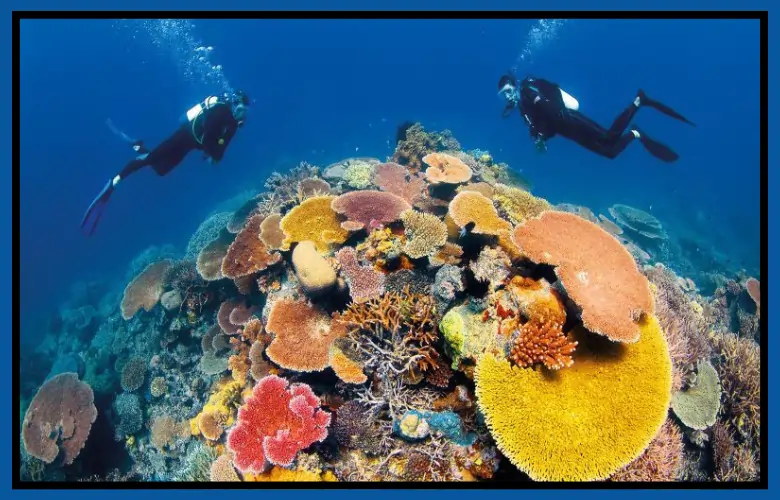
Scuba diving is one of the most amazing ways for you to experience the underwater world by seeing the colorful coral reefs, exotic marine animals and fantastic oceanscapes. There are lots of diving sites all over the world but not all of them can be considered the best spots for scuba diving due to their clean water, diversity of marine creatures and favorable conditions for diving. Each site is unique and worth visiting, thus it appeals to both beginner and advanced divers. It is important to select the proper destination for your scuba diving adventure.
Raja Ampat: The Ultimate Paradise for Marine Life Lovers
Raja Ampat in Indonesia is one of the most biodiverse marine regions in the world. Its waters are filled with thousands of fish species, manta rays, reef sharks, and vibrant coral ecosystems. Every dive feels like entering a completely new underwater world.
The region is also known for its untouched natural beauty. Because it is remote, the reefs remain extremely well-preserved. Many divers consider it one of the most extraordinary and truly best places to scuba dive for marine biodiversity.
Great Barrier Reef: Australia’s World-Famous Underwater Wonder
The Great Barrier Reef is the largest coral reef system on Earth and one of the most iconic dive destinations globally. Stretching over 2,300 kilometers, it offers endless coral gardens, lagoons, and reef walls full of marine life.
It is suitable for all experience levels, making it one of the most accessible diving destinations in the world. From sea turtles to clownfish and reef sharks, the marine life here is both diverse and abundant.
Popular experiences at the Great Barrier Reef:
- Swimming with sea turtles
- Exploring coral gardens
- Drift diving along reef walls
Maldives: Crystal-Clear Waters and Spectacular Ocean Encounters
The Maldives is known for its turquoise waters, luxury islands, and incredible underwater visibility. Divers can enjoy calm, warm conditions while exploring vibrant coral reefs filled with life.
One of the main highlights is the chance to see whale sharks and manta rays in their natural environment. These encounters make every dive exciting and unforgettable, especially in deeper atoll channels.
Galápagos Islands and the Red Sea: Exciting Adventures for Experienced Divers
The Galápagos Islands offer powerful and thrilling diving experiences due to strong ocean currents and large marine species. Divers often encounter hammerhead sharks, whale sharks, and massive schools of fish.
The Red Sea in Egypt is equally impressive, featuring coral reefs, steep walls, and historic wreck dives. Its clear waters and rich marine life make it a year-round diving destination for adventure seekers and are often listed among the best places to scuba dive.
Belize, Palau, and the Philippines: Hidden Gems Beneath the Surface
Belize is famous for the Great Blue Hole, a massive underwater sinkhole that attracts divers from all over the world. Its surrounding reef system also offers colorful coral formations and rich marine biodiversity.
Palau is known for shark encounters and dramatic reef walls, especially at Blue Corner. The Philippines offers thousands of dive sites with coral gardens, macro species, and diverse marine ecosystems.
Why divers love these destinations:
- Belize: Iconic Blue Hole dives
- Palau: Shark encounters and reef walls
- Philippines: Coral diversity and macro marine life
These destinations may be less crowded, but they still rank among the world’s most impressive underwater experiences.
How to Choose the Right Scuba Diving Destination
Choosing the right scuba diving destination depends on your experience level, budget, and travel goals. Beginners should focus on calm waters and easy reef access, while advanced divers may prefer stronger currents and deeper sites.
Seasonal conditions also play a big role in visibility and marine activity, so planning ahead is important. With so many options available, the best places to scuba dive are the ones that match your personal adventure style and comfort level.
Quick tips for choosing your destination:
- Match location with your diving experience
- Check seasonal weather conditions
- Consider marine life you want to see
- Compare travel costs and accessibility
Frequently Asked Questions
1. What are the best places to scuba dive in the world?
Some of the best places to scuba dive include Raja Ampat, the Great Barrier Reef, the Maldives, the Galápagos Islands, the Red Sea, Belize, Palau, and the Philippines. These destinations are known for clear waters, rich marine life, and unforgettable underwater scenery.
2. Which scuba diving destination is best for beginners?
The Great Barrier Reef and the Maldives are ideal for beginners because they offer calm waters, excellent visibility, and professional dive centers. These locations provide safe and enjoyable experiences for first-time divers.
3. Where can I see the most marine life while scuba diving?
Raja Ampat is considered one of the richest marine biodiversity hotspots in the world. Divers can also see abundant marine life in the Philippines and the Great Barrier Reef.
4. What is the best time of year to go scuba diving?
The best time depends on the destination, but many tropical locations like the Maldives and Red Sea offer year-round diving. Always check seasonal weather and water conditions before planning a trip.
5. Can I scuba dive without experience?
Yes, many destinations offer beginner courses and guided dives. Locations like the Maldives and Australia’s Great Barrier Reef are especially beginner-friendly.
Conclusion
Scuba diving provides the means to enter into a new world, full of colors and life and natural wonders under the surface of the ocean. Starting from the colorful reefs of Raja Ampat, moving on to the famous Great Barrier Reef and then to the Maldives, there is always something different to explore. The best spots for scuba diving include spots which have marine biodiversity and a safe diving environment. No matter whether you are a beginner at it or a professional, visiting these spots will leave you with wonderful memories for years to come.
