

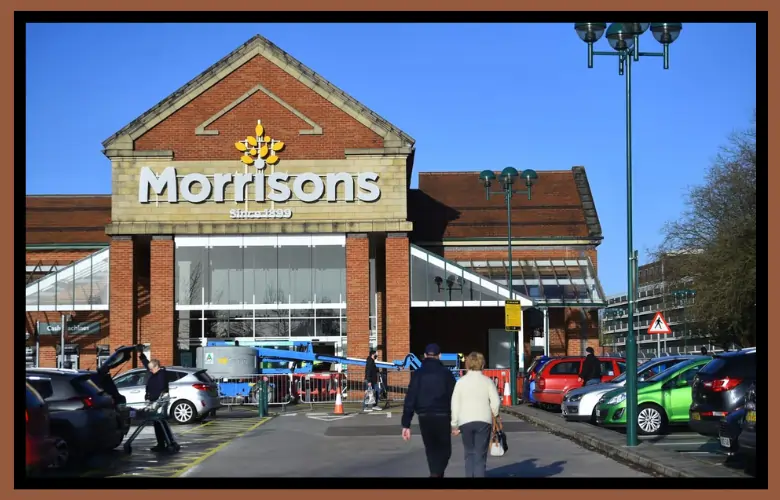
The UK supermarket sector is undergoing significant reforms at present, and the topic of morrisons store closures has been widely discussed in this regard. The reasons behind such restructuring efforts are the increasing operational costs, changing consumer behavior, and the high level of competition in the retail sector. Despite popular belief, morrisons store do not imply that supermarkets will be shut down completely. Instead, they include changes such as the closure of various services provided at stores, including cafés and counters where ready-to-eat meals can be bought. It is crucial for everyone who uses or works in supermarkets to understand these reforms.
What Morrisons Store Closures Really Mean
The term morrisons store closures is often misunderstood. In most cases, it does not refer to entire supermarkets shutting down. Instead, it mainly describes the reduction or removal of specific in-store services and departments.
Many Morrisons stores remain fully open, but certain areas such as cafés, staffed counters, and specialist food sections are being scaled back. These services were once a key part of the traditional supermarket experience, but customer demand for them has declined over time.
The focus is now shifting toward simpler store layouts, faster shopping experiences, and more efficient operations. This allows supermarkets to reduce costs while still maintaining core grocery services.
Why Morrisons Is Changing Its Store Structure
One of the main reasons is rising operational costs. Expenses such as energy bills, wages, transport, and supply chains have all increased significantly. These rising costs make it difficult to maintain labour-intensive services that do not generate strong profits.
Another major factor is changing customer behaviour. Many shoppers now prefer convenience-based shopping, including online delivery, click-and-collect, and self-service checkouts. As a result, traditional features like cafés and staffed counters are seeing lower demand.
Competition is also playing a major role. Discount retailers such as Aldi and Lidl have changed customer expectations by offering simpler store formats and lower prices. This has forced larger supermarkets to streamline operations in order to remain competitive.
Services and Departments Being Reduced or Removed
A major part of the restructuring involves specific in-store departments rather than full store closures.
Across many locations, the following areas have been affected:
- In-store cafés and seating areas
- Fresh meat counters
- Fish counters
- Florist sections
- Market Kitchen food hubs
- Selected pharmacy services
- Some smaller convenience store formats
These departments are more expensive to run because they require skilled staff, fresh preparation, and ongoing maintenance. They also tend to have lower demand compared to core grocery products.
As a result, supermarkets are shifting toward pre-packaged food, faster checkout systems, and simplified layouts that reduce operational complexity.
Job Impacts and Workforce Changes
The restructuring has had a direct impact on employment across different regions. Many employees working in cafés, counters, and specialist departments have been affected by service reductions.
Hundreds of jobs have been impacted during different phases of restructuring. While some workers have been offered alternative roles within larger stores, not all positions can be retained or transferred.
In addition, automation is playing a growing role in reducing manual tasks. Systems now handle stock control, ordering, and some customer service functions that previously required staff involvement.
This reflects a wider shift in the retail industry toward more efficient, technology-driven operations.
How Shoppers Are Experiencing the Changes
For customers, the impact of these changes is more noticeable in the shopping experience than in product availability. Most stores continue to operate normally and provide full grocery ranges.
However, shoppers may notice several differences, such as:
- Fewer staffed service counters
- Reduced or removed café areas
- Increased use of self-checkout machines
- More pre-packaged and ready-to-eat food
- Faster but less personalised service
Some customers appreciate the speed and convenience of these changes, while others miss the traditional supermarket experience that included personal service and in-store dining areas.
Community and Local Impact
These changes also affect local communities in different ways. In many towns, Morrisons stores are not just places to shop but also social spaces where people meet and interact.
When cafés or service areas are reduced, some communities lose informal gathering spaces. This can be particularly important for older residents who rely on these areas for social interaction and daily routine.
However, essential grocery services remain fully available in most locations, ensuring that everyday needs are still met.
Balancing efficiency with community value remains one of the biggest challenges for modern supermarkets.
Scale of Changes Across the UK
The scale of these changes varies depending on store size, location, and customer demand. Instead of large-scale closures, the adjustments are happening gradually across different departments.
Across the UK, this includes:
- Multiple café closures or downsizing
- Removal of selected food counters
- Restructuring of convenience store formats
- Job changes, relocations, and role adjustments
- Increased investment in core supermarket operations
These changes are part of a long-term plan focused on efficiency rather than short-term cost-cutting.
Future Strategy of Morrisons
The long-term strategy of Morrisons is focused on transformation rather than simple reduction. The company is adapting to a rapidly changing retail environment by modernising its operations.
Future priorities include larger and more efficient supermarket layouts, expanded online grocery services, increased automation, and improved logistics systems. There is also a continued move away from labour-intensive service counters.
The goal is to create a more streamlined and competitive business model that aligns with modern customer expectations.
Customer Reactions and Public Opinion
Public reaction to these changes has been mixed. Some customers understand that supermarkets must evolve to remain competitive, while others feel that traditional shopping experiences are being reduced.
Older shoppers often prefer staffed counters and cafés, while younger customers tend to prefer faster, more digital-friendly shopping experiences.
This difference in expectations highlights the challenge supermarkets face in serving a wide range of customers with different needs.
Future Outlook for UK Supermarkets
The trend of gradual restructuring is expected to continue across the UK supermarket sector. Instead of widespread store closures, the focus will remain on improving efficiency and reducing non-essential services.
The future of grocery retail in the UK will likely include:
- Greater use of automation and digital systems
- Expansion of online grocery shopping
- Simplified and cost-efficient store layouts
- Reduced staffing in lower-demand areas
- Stronger competition based on price and convenience
These changes are reshaping how supermarkets operate and how customers shop across the country.
(FAQs)
1. Are Morrisons closing all their supermarkets in the UK?
No, most morrisons store closures do not involve full supermarket shutdowns. In most cases, stores remain open, but certain in-store services such as cafés, counters, and specialist departments are being reduced or removed as part of restructuring.
2. Why is Morrisons closing some store services?
The main reasons include rising operating costs, changing customer shopping habits, and increased competition. Morrisons is focusing on simplifying stores to improve efficiency and reduce expenses while maintaining core grocery services.
3. Which services are most affected by these changes?
The most affected areas include in-store cafés, fresh meat and fish counters, florist sections, Market Kitchen hubs, and some pharmacy services. These departments are more expensive to run and have lower demand compared to core grocery aisles.
4. Will these changes affect jobs?
Yes, some jobs have been affected, particularly in cafés and service counters. However, some employees are offered alternative roles within larger stores. The impact varies by location and department.
5. How do these changes affect customers?
Customers may notice fewer staffed counters, reduced café availability, and more self-checkout options. However, essential grocery products and services remain available in all stores.
Conclusion
In summary, the so-called morrison’s store closures can actually be seen as a result of an overall change that has taken place in the supermarket business of the UK. It is evident that Morrisons has been making efforts to revamp itself amid increased costs, customer demands, and increased competition. While there have been cuts in some amenities like café services, the process of purchasing groceries has not been affected at all in the majority of cases. These changes have greatly affected the way people buy things from supermarkets.
