

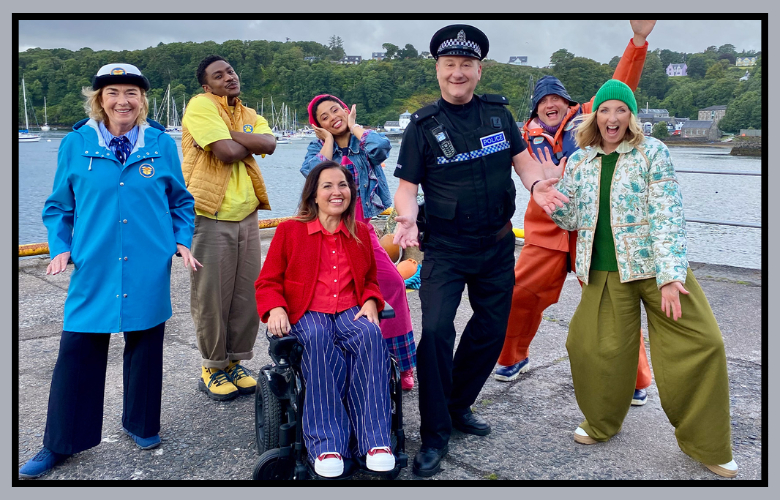
Balamory is a popular British children’s TV series that is noted for its colorful town, distinct characters and useful life lessons. The program presented children with a warm Scottish town where every inhabitant was unique in their own way, whether by the occupation, personality, skills or otherwise. Balamory Characters were well-loved because they instilled such qualities as kindness, cooperation, imagination and problem solving through ordinary day-to-day life stories. Be they teachers, artists, shopkeepers or inventors, everyone taught children the value of cooperation and being helpful. Even now, people look for the characters’ names, colorful houses and other information related to this wonderful children’s program.
Balamory Character Names and Their Roles
The different personalities in the village are one of the main reasons people continue searching for Balamory characters’ names. Each resident had a clear purpose, making it easy for children to remember who they were and what they contributed to the community. Their jobs also introduced young viewers to different careers in a friendly and simple way.
The original residents were designed to show that every person has valuable skills. Some characters focused on creativity, while others supported learning, safety, travel, or everyday services. Together, they created a balanced community where everyone had an important place.
The main residents and their roles include:
- Miss Hoolie – The caring nursery teacher who guides children and encourages learning.
- PC Plum – The helpful village police officer who investigates problems.
- Josie Jump – The energetic activity leader who promotes exercise and confidence.
- Archie – The creative inventor and architect who enjoys designing solutions.
- Edie McCredie – The adventurous bus driver who shares stories about travel.
- Penny Pocket – The organised shopkeeper who teaches practical skills.
- Suzie Sweet – The friendly café owner who brings people together.
- Spencer – The artistic painter who inspires creativity.
These residents worked well because they represented different strengths. Children could identify with different personalities and understand that communities need many types of people to succeed.
The characters also taught important social lessons. Through everyday situations, children learned about patience, communication, helping others, and solving problems together. These lessons helped make the show more than simple entertainment.
Balamory Characters and Houses: The Colourful Village Explained
One of the most recognisable features of the show is the connection between the residents and their bright, colourful homes. The Balamory characters and houses became closely linked because each building reflected the personality, work, and interests of the person who lived or worked there. These locations helped young viewers quickly identify characters and understand their place within the village.
The colourful buildings were not just decorative backgrounds. They helped create a warm and welcoming environment where children could explore stories about community life. Every location had a purpose, from places where people worked to areas where friends gathered and shared ideas. This made the village feel like a real community rather than just a television setting.
The design of the village also supported early learning. Young children could connect colours, names, places, and characters together, which helped improve recognition and memory skills. The simple layout made it easier for viewers to follow stories and understand how different people contribute to a community.
The homes and workplaces also represented an important message: everyone has a unique role. Whether someone was teaching children, creating artwork, running a shop, or helping neighbours, every person added value to village life.
Original Cast, Spencer the Painter, and Memorable Character Stories
The original cast remains the most remembered part of the series because each person brought a different personality and purpose to the village. The original Balamory residents created the identity of the programme and helped build a strong connection with families across the UK. Their stories focused on everyday challenges that children could understand, making the lessons feel natural rather than forced.
Spencer is especially remembered by viewers searching for the Balamory character painter because he represented creativity and artistic expression. His role showed children that painting, designing, and creating are important skills that help make the world more interesting. He encouraged imagination and demonstrated that creative ideas can improve everyday situations.
Spencer’s character also showed that creativity involves patience and practice. Not every idea works immediately, but trying different approaches can lead to successful results. This message remains useful for children who are learning new skills, whether through drawing, building, writing, or other activities.
The other residents also had memorable qualities that made them special. Miss Hoolie represented care and education, PC Plum showed responsibility and safety, while Archie encouraged invention and problem-solving. Together, these personalities created a balanced community where different talents were celebrated.
Balamory Characters 2026: Modern Interest and New Character Searches
Many people continue searching for Balamory characters 2026 because they want to know whether the programme has returned or whether new residents have been introduced. While the original series remains the version most viewers remember, interest in the show continues because its messages are still meaningful for modern families.
The popularity of searches about new characters shows that audiences remain interested in the village and its ideas. A modern version could introduce fresh personalities while keeping the original themes of friendship, learning, and teamwork. New residents could represent different cultures, abilities, and experiences while maintaining the welcoming community spirit.
However, many fans believe the original residents are what made the programme unique. Their personalities, relationships, and colourful surroundings created a special atmosphere that is difficult to replace. The continued interest proves that well-developed characters can remain memorable long after a show has finished.
The programme also remains relevant because children still benefit from stories about kindness, cooperation, and creativity. Although technology and entertainment styles have changed, the basic values shown in the village continue to connect with audiences.
Educational Benefits, Real-Life Lessons and Why Families Still Enjoy the Show
One of the main reasons families continue to appreciate the programme is its educational value. The stories were designed around everyday experiences, allowing children to learn important skills without feeling like they were watching a lesson. The village residents demonstrated positive behaviour through their actions, making ideas such as kindness, teamwork, and responsibility easier for young viewers to understand.
The show encouraged children to develop curiosity about different jobs and abilities. A child interested in art could connect with Spencer, while another child might enjoy Archie’s inventions or Josie Jump’s activities. These different personalities showed that people have different strengths and that every skill can be useful.
The programme also supported emotional development by showing characters communicating, helping each other, and solving problems together. Children could learn how to handle small challenges, understand other people’s feelings, and appreciate the importance of friendship.
The educational benefits of the show include:
- Learning cooperation by watching villagers work together.
- Developing creativity through art, inventions, and imaginative play.
- Understanding different community roles and responsibilities.
- Building confidence by seeing characters try new things.
- Improving communication skills through conversations and teamwork.
These lessons can also be applied outside the screen. Parents and teachers can use the stories as starting points for discussions about helping others, trying new activities, and respecting different talents. This practical connection is one reason the programme continues to interest new generations.
Pros and Cons of Watching the Programme Today
The biggest advantage of the series is its positive and calming approach to children’s entertainment. Unlike some modern programmes that rely heavily on fast action, the stories focus on relationships, problem-solving, and simple experiences. This makes it suitable for younger viewers who benefit from clear storytelling and gentle messages.
Another strength is the strong sense of community shown throughout the series. The residents support one another and demonstrate that cooperation often leads to better solutions. The familiar setting, memorable personalities, and educational themes make the programme appealing to both children and parents.
However, some viewers may find the pace slower compared with current children’s content. Modern audiences are often used to faster editing, advanced animation, and more dramatic storylines. Children who mainly watch high-energy programmes may need time to adjust to the quieter style.
Another consideration is that expectations around children’s television have changed. Modern programmes often include wider representation of different cultures, experiences, and abilities. While the show promoted kindness and acceptance, newer productions may approach these topics in different ways.
Is Balamory Worth Watching in 2026?
For families looking for a gentle, educational, and positive programme, the series remains worth watching in 2026. Its strongest qualities are the memorable residents, meaningful stories, and focus on values that continue to matter. Friendship, creativity, patience, and teamwork are important lessons for children regardless of changes in technology or entertainment trends.
The continued interest in the show shows that audiences still value simple storytelling. Many people searching for information about the original cast, village locations, and character details are not only looking for nostalgia but also exploring whether the programme is suitable for today’s children.
A major reason the series remains appealing is that it avoids relying on trends that quickly become outdated. Instead, it focuses on human connections and everyday situations. Children can still understand the challenges faced by the residents because the stories are based on emotions and experiences they recognise.
While newer programmes may offer more modern visuals, the charm of the village remains special. For parents who want children to watch something encouraging, creative, and community-focused, this classic series continues to provide meaningful entertainment.
Frequently Asked Questions
Who are the main residents of Balamory?
The main residents include Miss Hoolie, PC Plum, Josie Jump, Archie, Edie McCredie, Penny Pocket, Suzie Sweet, and Spencer. Each character has a different job and personality, helping children learn about teamwork and community life.
Are there any new Balamory characters in 2026?
There are no widely recognised new main residents replacing the original cast. Most interest continues to focus on the original village personalities, although fans often discuss the possibility of future versions of the show.
Why are colourful houses important?
The colourful homes helped children recognise characters and understand the village layout. Each building matched the personality and role of its resident, making the setting one of the most memorable parts of the programme.
Who is the painter in the series?
Spencer is the artistic resident known for painting and creative projects. His character encouraged children to explore imagination, art, and self-expression.
Did the show include a wheelchair character?
The original main cast did not include a central wheelchair-using resident. However, the programme promoted kindness, teamwork, and acceptance through its stories about helping and supporting others.
Conclusion
What makes Balamory a classic kids’ TV program is the colorful village, story and characters. The characters were able to teach the kids valuable life lessons in a fun way through kindness, imagination, cooperation and taking responsibility. With its original cast, iconic houses and characters that had their own distinct personalities, Balamory has established its place in British television history. Through character names, details about the village and stories of one’s childhood, this program is still being talked about by families up until now.
