

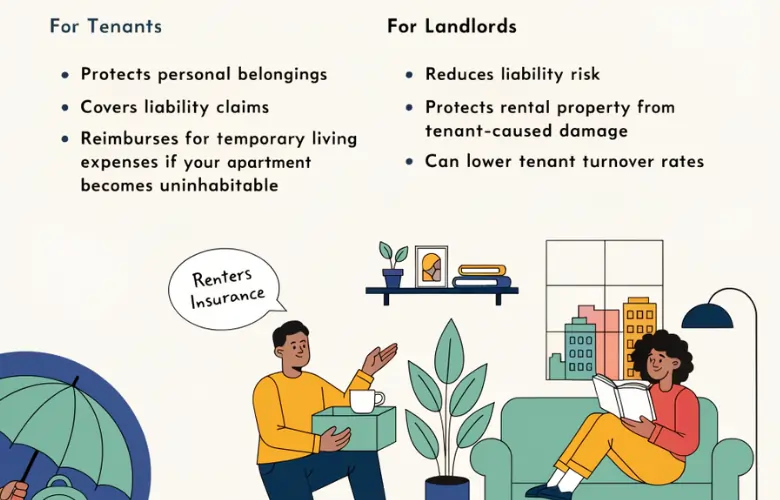
Renting a property comes with a range of responsibilities and potential risks for both tenants and landlords. While much attention is often given to tenancy agreements, deposits and maintenance obligations, insurance is another important aspect of protecting both the property and the people living in it.
Many tenants assume that a landlord’s insurance policy automatically covers their belongings, while some landlords may underestimate the benefits of encouraging tenants to obtain renters insurance. In reality, landlord insurance and renters insurance serve very different purposes, and both can play an important role in reducing financial risk when unexpected situations arise.
From accidental damage and theft to fire, flooding and liability claims, renters insurance can provide valuable protection and peace of mind for everyone involved in a tenancy.
In this guide, we explain what renters insurance is, why it matters and how it benefits both tenants and landlords.
What Is Renters Insurance?
Renters insurance, sometimes called tenants insurance, is a policy designed to protect a tenant’s personal belongings and provide financial cover for certain risks while renting a property.
Policies may include cover for:
- Furniture and electronics
- Clothing and personal possessions
- Theft or vandalism
- Fire and flood damage
- Accidental damage
- Personal liability claims
Some policies may also include temporary accommodation costs if the property becomes uninhabitable following an insured event.
Importantly, renters insurance is separate from the landlord’s buildings or landlord insurance policy.
What Does Landlord Insurance Cover?
Landlord insurance is primarily designed to protect the property owner rather than the tenant.
Typical landlord insurance may cover:
- The building structure
- Permanent fixtures and fittings
- Loss of rental income in certain situations
- Landlord liability
- Some contents supplied by the landlord
However, landlord insurance generally does not cover tenants’ personal possessions.
For example, if a tenant’s laptop, television or clothing is damaged in a fire, the landlord’s policy is unlikely to replace those items.
This misunderstanding is one of the main reasons renters insurance is so important for tenants.
Why Tenants Should Consider Renters Insurance
Many tenants underestimate the value of their belongings until something unexpected happens.
Even relatively modest possessions can quickly add up in value, including:
- Phones and laptops
- Furniture
- Kitchen appliances
- Clothing
- Jewellery
- Bicycles
Replacing these items after theft, fire or water damage could be extremely expensive without insurance.
Renters insurance can help tenants recover financially and avoid major unexpected costs following an incident.
Protection Against Theft
Rental properties can sometimes be targeted by burglars, particularly in busy urban areas or student accommodation locations.
Renters insurance may provide financial protection if belongings are stolen during:
- Burglary
- Attempted break-ins
- Theft from the property
- Certain types of theft outside the home
Some policies may also cover items such as laptops or mobile phones when carried away from the property, depending on the level of cover chosen.
Tenants should always check policy details carefully to understand what is included and whether high-value items require separate declarations.
Cover for Accidental Damage
Accidents can happen in any home, whether rented or owned.
Examples may include:
- Spilled drinks damaging electronics
- Broken televisions
- Damage to carpets or furnishings
- Accidental kitchen fires
Some renters insurance policies include accidental damage cover, which can help reduce financial stress when unexpected incidents occur.
This may also help tenants avoid disputes regarding damage claims at the end of a tenancy.
Liability Protection for Tenants
One often overlooked feature of renters insurance is personal liability cover.
This may provide protection if a tenant accidentally causes damage to the property or injury to another person.
For example:
- Water leaking into neighbouring flats
- A visitor being injured inside the property
- Accidental fire damage spreading to adjacent homes
Without insurance, tenants could potentially face significant financial claims.
Liability cover can therefore provide valuable reassurance during a tenancy.
Why Renters Insurance Matters for Landlords
Although renters insurance mainly protects tenants, landlords can also benefit indirectly when tenants have appropriate cover in place.
For example, insured tenants may be:
- Better prepared to handle accidental damage costs
- Less likely to face financial hardship after incidents
- More capable of resolving disputes efficiently
- Better protected against liability claims
This can help reduce tension and financial disagreements during or after a tenancy.
Many landlords and Martin & Co Nottingham City or other letting agents in Nottingham City often encourage tenants to consider renters insurance as part of responsible tenancy preparation.
Renters Insurance and Shared Accommodation
Shared rental properties, including student houses and house shares, can involve additional risks.
Multiple occupants may increase the likelihood of:
- Accidental damage
- Theft concerns
- Shared responsibility disputes
In some cases, tenants in shared accommodation may need individual policies, while other insurers offer joint cover arrangements.
Tenants should check:
- Whether shared occupancy is covered
- If valuables require separate protection
- Whether all occupants need to be named on the policy
Understanding these details early can help avoid complications if claims are later required.
Is Renters Insurance Expensive?
One reason some tenants avoid renters insurance is the assumption that it will be costly. However, many policies are relatively affordable, particularly when compared to the potential cost of replacing personal belongings after a major incident.
Costs depend on factors such as:
- Property location
- Value of possessions
- Level of cover selected
- Claims history
- Type of accommodation
Basic contents insurance policies can often be arranged for modest monthly premiums, making them accessible for many tenants.
Comparing policies carefully can help tenants find suitable cover that fits their needs and budget.
Common Misunderstandings About Renters Insurance
There are several misconceptions surrounding renters insurance.
“The Landlord’s Insurance Covers Everything”
This is one of the most common misunderstandings. Landlord insurance rarely covers tenants’ personal possessions.
“I Don’t Own Enough to Need Insurance”
Even basic belongings can be expensive to replace collectively. Many tenants underestimate the total value of their possessions.
“Claims Are Too Complicated”
While claims processes vary, many insurers now offer streamlined digital claims systems and relatively straightforward procedures.
“Nothing Bad Will Happen”
Unexpected events such as leaks, fires or theft can affect any property, regardless of location or tenant experience.
What Tenants Should Look for in a Policy
Before purchasing renters insurance, tenants should compare policies carefully and check what is included.
Important considerations include:
- Contents cover limits
- Accidental damage protection
- Liability cover
- Excess amounts
- High-value item limits
- Alternative accommodation cover
Tenants should also check whether specific exclusions apply, particularly for shared accommodation or certain valuables.
Reading policy terms thoroughly can help avoid misunderstandings later.
The Role of Letting Agents
Letting agents often help guide tenants and landlords through various aspects of the rental process, including insurance considerations.
While letting agents cannot usually require tenants to purchase insurance as a condition of renting, they may:
- Explain the differences between landlord and tenant cover
- Encourage responsible tenancy preparation
- Highlight potential risks of remaining uninsured
Experienced letting agents in Nottingham City frequently discuss insurance considerations with tenants moving into new rental properties, particularly in competitive urban rental markets.
How Insurance Can Support Better Landlord-Tenant Relationships
Insurance can sometimes help reduce disputes and financial stress between landlords and tenants when unexpected incidents occur.
For example:
- Tenants may resolve accidental damage claims more easily
- Landlords may avoid lengthy disagreements over responsibility
- Financial recovery following incidents may happen more quickly
Clear communication about insurance responsibilities at the start of a tenancy can help establish realistic expectations for both parties.
Conclusion
Renters insurance is an important form of financial protection that benefits both tenants and landlords in different ways. While landlord insurance protects the property itself, renters insurance helps safeguard tenants’ belongings, provides liability cover and offers financial support following unexpected events such as theft, fire or accidental damage.
For tenants, insurance can provide valuable peace of mind and help avoid significant replacement costs. For landlords, insured tenants may contribute to smoother tenancy management and reduced disputes when problems occur.
Whether renting a city-centre flat, student accommodation or a family home, understanding the importance of renters insurance can help both tenants and landlords approach the rental process with greater confidence and security.
