
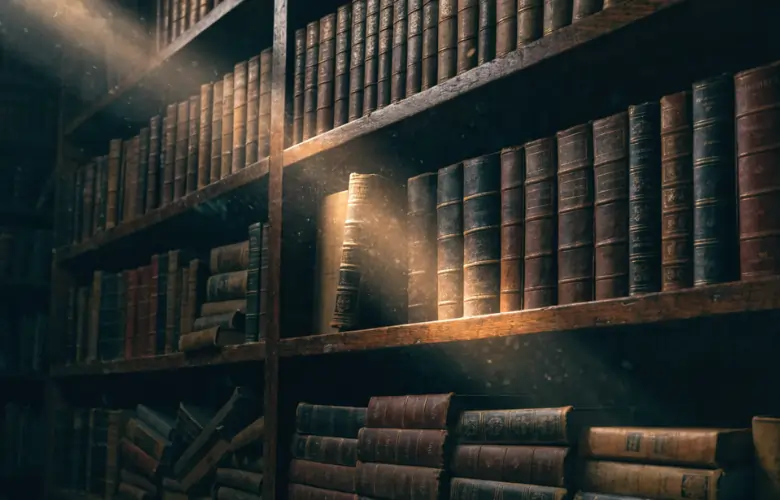
Most homes have at least one bookshelf filled with novels that have already been read, university textbooks from years ago, children’s books that are no longer needed, or reference books that rarely leave the shelf. While these books often carry memories, they can also represent something many people overlook—real financial value. Instead of allowing them to gather dust, it may be worth checking whether they can be turned into extra cash while creating more space in your home.
One of the easiest ways to sell books is by using services that provide instant barcode valuations, free postage, and quick payment, removing the hassle of listing individual books online or arranging collections. This simple approach allows people to declutter efficiently while ensuring unwanted books find new homes where they can continue to be enjoyed.
What Is the Hidden Value Sitting on Your Bookshelves?
Many people assume books lose their value once they have been read. In reality, there is a thriving second-hand book market where readers, students, collectors, and professionals regularly purchase pre-owned books in good condition. This ongoing demand means that books sitting untouched for years could still be worth money.
Why More People Are Choosing to Sell Their Books
Selling unwanted books has become increasingly popular because it offers practical benefits with very little effort. Rather than filling storage space with books that may never be read again, many households are choosing to turn them into additional income.
There are several reasons why people decide to sell books:
- Create more space around the home.
- Earn extra money from unused items.
- Reduce household clutter.
- Prepare for moving house.
- Clear out old university textbooks.
- Pass children’s books on to new families.
- Support recycling and sustainable reuse.
For many people, selling books is an easy way to simplify their home while making better use of items they no longer need.
Benefits of Discovering the Hidden Value on Your Bookshelves
One of the biggest benefits is the opportunity to earn money from possessions you already own. Unlike selling furniture or electronics, books are easy to store, organise, and prepare for resale. Even smaller payments for individual books can add up when you have an entire shelf to sort through.
Decluttering is another major advantage. Removing books that no longer serve a purpose creates cleaner shelves, frees storage space, and makes your home feel more organised. Many people find that reducing unnecessary possessions creates a calmer living environment.
Selling books also contributes to sustainability. Every second-hand book purchased means one less new copy needs to be produced, helping reduce waste and extending the useful life of existing books. It’s a practical way to support the circular economy while benefiting financially.
Real-Life Examples of Hidden Book Value
Imagine a graduate who has completed their university degree. Their shelves may contain dozens of textbooks that originally cost hundreds of pounds. Rather than leaving those books unused, selling them allows another student to benefit while recovering some of the original cost.
Families often experience something similar with children’s books. Once children move on to more advanced reading, earlier books often remain in excellent condition. Selling these books helps create space while allowing other young readers to enjoy them.
A retired professional may also own specialist reference books that are still useful within their industry. Although no longer needed personally, these books can remain valuable to someone beginning the same career.
These examples show that books can continue delivering value long after their original owner has finished using them.
Pros and Cons of Selling Unwanted Books
Like any decision, selling books has both advantages and disadvantages.
Pros
- Generates extra income.
- Reduces household clutter.
- Frees valuable storage space.
- Supports environmental sustainability.
- Gives books a second life.
- Quick and convenient process.
Cons
- Some books have little resale value.
- Damaged books may not be accepted.
- Older editions can sometimes be less desirable.
- Sentimental books may be difficult to part with.
Overall, many people find the benefits far outweigh the drawbacks, particularly when books have remained untouched for years.
Why People Continue Choosing Second-Hand Books
The demand for second-hand books remains strong because they offer excellent value for money. Students often prefer affordable textbooks, families appreciate lower-priced children’s books, and regular readers enjoy expanding their collections without paying full retail prices.
At the same time, growing awareness of sustainability has encouraged consumers to reuse products wherever possible. Purchasing pre-owned books helps reduce waste while giving perfectly usable items another life.
For sellers, this demand creates an opportunity to earn money from books that would otherwise sit unused on shelves. It is a simple exchange that benefits both buyers and sellers.
Is It Worth Selling Your Unwanted Books?
For most households, the answer is yes.
Checking the value of your books requires relatively little time, yet the rewards can be surprisingly worthwhile. Many people underestimate how many books they own until they begin sorting through their shelves. A collection built over several years may contain dozens of books with resale value.
Beyond earning additional money, selling books creates a cleaner home, makes future moves easier, reduces storage requirements, and supports sustainable reuse. Even if only part of your collection has value, the combined total can still be worthwhile.
Considering the financial, practical, and environmental benefits, taking the time to review your bookshelves is usually a smart decision.
Tips for Getting the Most from Your Book Collection
Before sorting your books, follow a few simple steps to maximise their value.
- Keep books clean and dry.
- Remove personal papers and bookmarks.
- Store books upright.
- Check every book individually.
- Separate damaged copies.
- Keep complete series together.
- Handle collectable editions carefully.
- Organise books by category.
These simple habits help preserve condition and make the sorting process quicker and more organised.
Frequently Asked Questions
Are old books always valuable?
No. Some older books become valuable because they are rare, while others have little demand. Recent textbooks and popular modern books can often be worth more.
Which books usually sell best?
University textbooks, business books, children’s books, graphic novels, popular fiction, and professional reference books are among the most commonly sought-after categories.
Is selling books better than throwing them away?
Yes. Selling books helps recover value, reduces waste, and allows someone else to benefit from reading them.
How can I tell if my books are worth money?
The easiest approach is to check each book individually, as demand varies depending on the title, edition, condition, and current market.
Is it worth sorting through an entire bookshelf?
Absolutely. Even if only some books have resale value, larger collections often produce a worthwhile return while helping you declutter your home.
Conclusion
The hidden value sitting on your bookshelves is often greater than people expect. Books that have remained untouched for months or even years may still be useful to students, families, collectors, and everyday readers. Instead of allowing them to occupy valuable space, taking the time to review your collection can lead to extra income while making your home feel more organised.
Selling unwanted books also supports sustainability by extending the life of products that still have plenty to offer. Whether you own a handful of novels or an entire wall of books, checking their value is a simple step that can deliver financial rewards, reduce clutter, and ensure your books continue to be enjoyed by new readers for years to come.
