

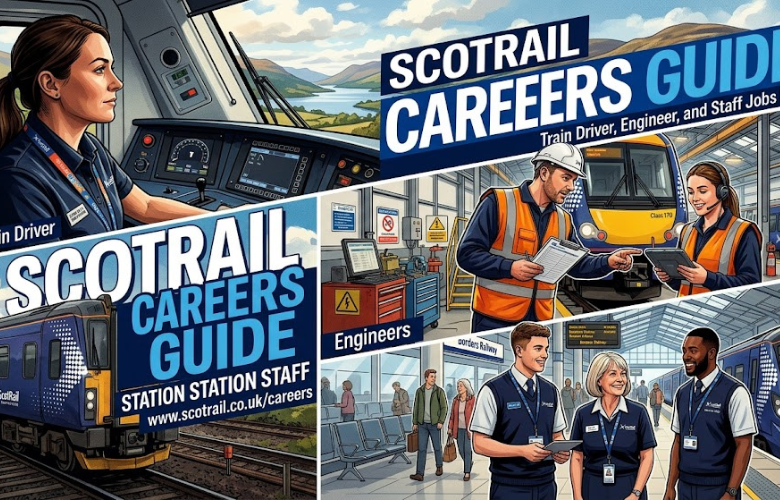
The career prospects at ScotRail Careers are extensive and cover all areas of the country’s national railway system, thus ranking it among the most reliable and reputable employment industries within the United Kingdom. There are openings in all spheres, from train drivers and engineers to customer relations and administrative positions, for both novice and seasoned candidates. Individuals are drawn to this sector primarily due to its promise of sustained employment, proper training, and clear avenues for advancement. The number of workers employed in stations, yards, and offices by ScotRail is impressive and will continue to make a significant contribution to the public transportation system. By 2026, there will be a constant demand for trained railway personnel.
What is ScotRail Careers?
ScotRail careers refer to all employment opportunities available within Scotland’s national rail operator. These roles are essential for maintaining the smooth operation of trains, stations, and railway infrastructure across the country. Every employee plays an important part in ensuring passengers can travel safely and efficiently.
People exploring scotrail career are usually looking for secure, long-term jobs that offer structured training and career growth. These roles are not limited to one type of work but instead cover a wide range of sectors including operations, engineering, customer service, and corporate support. Each department works together to ensure the railway system functions properly every day.
The organisation also provides training programmes that help employees develop skills and progress within their careers. This makes railway employment a strong choice for individuals who want long-term stability rather than temporary work. It also allows people from different backgrounds to enter the industry and build professional experience over time.
Importance of Railway Jobs in Scotland
Railway jobs play a critical role in supporting Scotland’s transport infrastructure. The rail network helps people travel for work, education, healthcare, and tourism. Without skilled workers in this sector, daily transport services would not operate safely or efficiently.
The railway industry also contributes significantly to environmental sustainability. By encouraging public transport use, it reduces road congestion and lowers carbon emissions. This makes rail employment not only important for transport but also for environmental goals.
Working in this sector means contributing to a public service that benefits society as a whole. Employees help ensure that trains run on time, stations are managed properly, and passengers receive reliable service. This sense of purpose is one of the reasons many people are interested in railway careers.
Types of Jobs Available in Railway Careers
There are many different roles available across the railway industry, each requiring different skills and levels of experience. Customer service roles are one of the most visible parts of the network. These employees assist passengers, provide travel information, manage ticketing services, and ensure stations operate smoothly. Strong communication and problem-solving skills are essential for these positions.
Train operations roles include train drivers, conductors, and control room staff. These positions are highly responsible and focus on safety, timing, and operational efficiency. Train drivers undergo extensive training before they are allowed to operate passenger services, making it one of the most skilled roles in the industry.
Engineering and maintenance roles are responsible for keeping trains and railway systems in safe working condition. These jobs involve inspecting, repairing, and maintaining mechanical and electrical systems. Attention to detail and technical knowledge are extremely important in this area because safety is always the top priority.
Salary and Pay Structure in Railway Careers
Salaries in railway employment vary depending on the job role, experience level, and responsibilities involved. Entry-level positions generally offer competitive starting salaries that increase over time with experience and performance.
More skilled roles such as engineers and train drivers tend to offer higher salaries due to the technical expertise and responsibility required. Train drivers are among the highest-paid roles because they must complete extensive training and follow strict safety regulations. Engineering roles also offer strong earning potential due to the technical nature of the work.
In addition to basic salary, employees may receive overtime pay, night shift allowances, and performance-related bonuses. These additional payments can significantly increase overall income.
Employees also benefit from pension schemes and paid leave, which provide long-term financial security and support a healthy work-life balance. This makes railway employment financially stable compared to many other industries.
Benefits of Working in the Railway Sector
Working in the railway industry offers more than just financial rewards. One of the biggest advantages is job security, as rail transport is an essential public service that continues to operate regardless of economic changes.
Employees also benefit from structured working hours, which can help improve work-life balance. Unlike many private-sector jobs, railway roles often follow predictable shift patterns, allowing better personal planning.
Additional benefits include pension contributions, paid holidays, and sick leave. Many employees also receive travel-related benefits, which allow discounted or free rail travel.
Training and development opportunities are another major advantage. Staff are encouraged to improve their skills and progress into higher roles over time, making this sector suitable for long-term career growth.
Entry Requirements for Railway Jobs
Entry requirements depend on the specific role being applied for. Entry-level positions typically require basic education, good communication skills, and the ability to work as part of a team. Reliability and punctuality are essential in all railway roles because services run on strict schedules.
For technical and operational roles such as engineering or train driving, additional qualifications and assessments are required. These may include medical checks, safety training, and practical skill evaluations. Candidates must demonstrate responsibility and strong attention to detail.
Soft skills such as teamwork, customer service ability, and problem-solving are important across all roles. These skills help ensure smooth operations and positive passenger experiences.
Apprenticeships and Training Pathways
Apprenticeships are one of the most popular entry routes into the railway industry. These programmes allow individuals to earn a salary while gaining practical skills and formal qualifications.
Apprenticeships are available in engineering, customer service, and operational roles. Participants work alongside experienced professionals and receive structured training throughout their programme.
This approach allows individuals to develop both technical knowledge and workplace experience at the same time. Many apprentices continue working in the industry after completing their training and progress into full-time roles.
This makes apprenticeships an effective pathway for those who want to build a long-term career in the railway sector.
How to Apply for Railway Careers
Applying for railway jobs involves an online application process. Candidates must search for available vacancies and complete an application form with accurate personal and professional details.
A well-written CV is important for success. It should clearly highlight relevant skills, experience, and achievements. Tailoring the CV to match the job description increases the chances of being shortlisted.
Shortlisted candidates are usually invited to interviews or assessment stages. These may include questions related to teamwork, safety awareness, and problem-solving.
For technical roles, additional testing may be required to evaluate knowledge and practical ability. Preparation is important because competition for railway jobs can be high, especially for roles such as train drivers and engineers.
Career Growth and Long-Term Opportunities
The railway industry offers strong long-term career progression opportunities. Many employees begin in entry-level positions and move into more senior roles over time.
The organisation encourages internal promotion, allowing staff to build long-term careers within the same company. For example, station staff can progress into supervisory positions, while apprentices can become fully qualified engineers.
Train drivers may also move into training or management roles after gaining experience. This structured career development system makes railway employment attractive for individuals seeking long-term stability and growth.
(FAQs)
What are ScotRail careers?
ScotRail careers refer to job opportunities within Scotland’s national railway network. These roles include train drivers, engineers, station staff, and office-based positions that help ensure safe and efficient rail operations across the country.
How can I apply for ScotRail careers?
You can apply through the official online recruitment system by searching vacancies, completing an application form, and submitting your CV. Shortlisted candidates are invited to interviews or assessments depending on the role.
What qualifications are needed for railway jobs?
Qualifications vary by role. Entry-level jobs may require basic education and communication skills, while technical positions such as engineering or driving require additional training, certifications, and safety assessments.
What is the salary in railway jobs?
Salary depends on role and experience. Entry-level positions start with moderate pay, while skilled roles like train drivers and engineers earn higher salaries due to responsibility and technical expertise.
Do railway jobs offer apprenticeships?
Yes, railway apprenticeships are available in engineering, customer service, and operations. These programmes allow individuals to earn while learning and gain real industry experience.
Conclusion
In summary, the careers at ScotRail represent an assured and fruitful route for those who wish to have a long career within the transport sector in Scotland. There are a number of positions in ScotRail ranging from customer services jobs to corporate careers; there is an option for everybody here regardless of the person’s skill sets and level of experience. In terms of career prospects and job satisfaction, it is a safe bet to have a stable and productive career at ScotRail due to its promising future and job security.
