

A cold and damp office is a common winter struggle for most business owners. Large indoor areas are harder to manage than small rooms because heat escapes quickly and moisture builds up in corners you cannot see. These issues lead to damaged stock and high energy bills.
Keeping your workspace warm and dry is not just about comfort but also about protecting your health and profit. In this article, we will explore practical and effective ways to keep your large business premises hot and dry throughout the coldest months of the year.
Effective Ways to Keep Large Indoor Space Warm and Dry
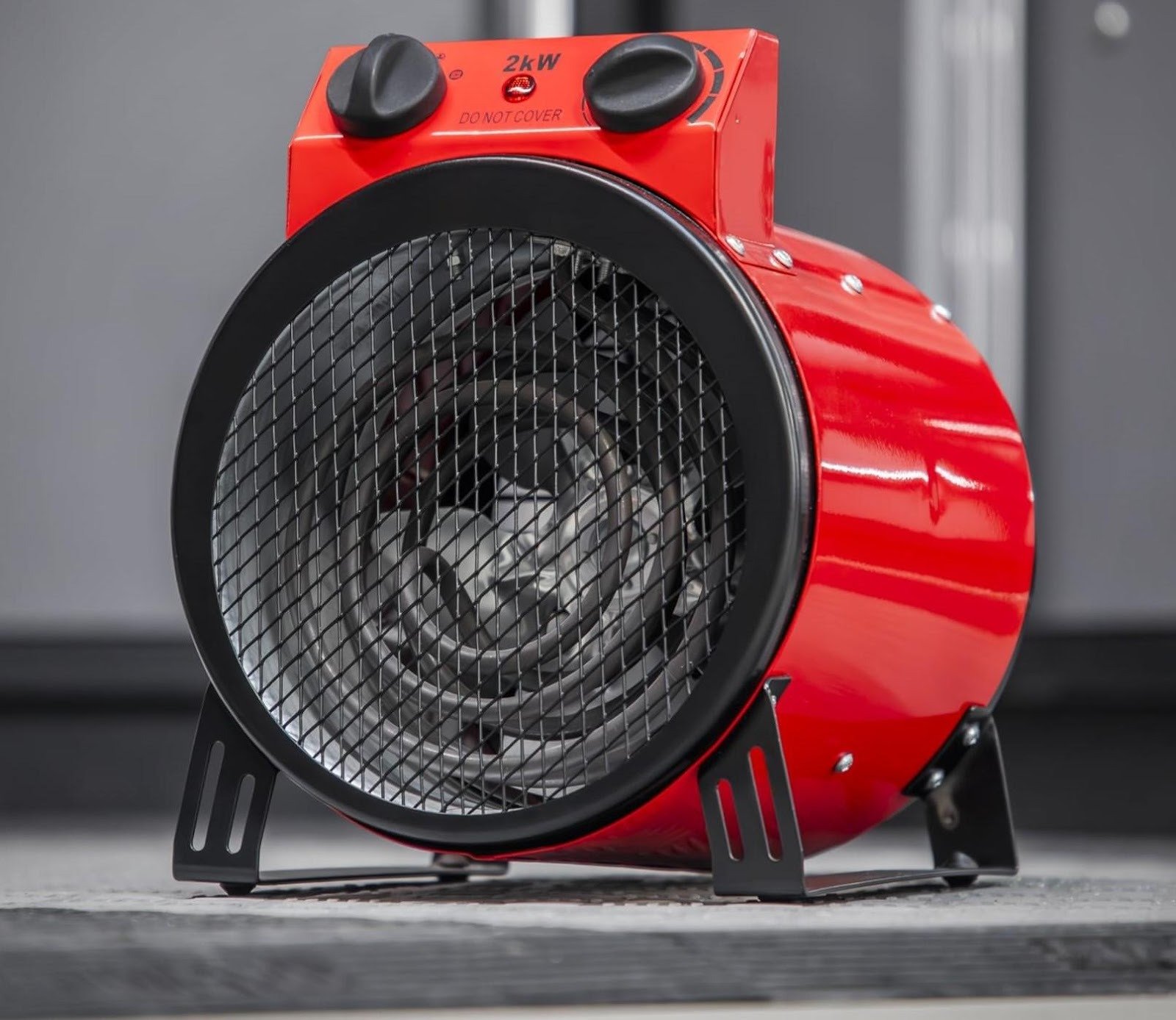
Use Fan Heaters
You should use high-capacity commercial fan heaters to solve the problem of cold spots in your building. These powerful fans work by blowing hot air directly into the areas where your team works the most. Unlike standard radiators that wait for the air to move naturally, they force heat to circulate quickly.
You can place them near workstations or packing benches to provide instant heat. This method ensures that your staff stays comfortable without warming the entire empty volume of a big unit. It is a smart and fast way to bring warmth exactly where it is needed.
Seal Drafts and Insulate Properly
You lose a considerable amount of heat through tiny gaps around your doors, windows, and walls. To stop this, you must find and seal every draft. You should check the seals on your loading bay doors and use weather-stripping or foam fillers to block the cold wind from coming inside.
When you stop the cold air, your heating system does not have to work hard. Adding insulation to your walls or roof acts like a thick winter coat for your building. This simple step keeps the heat trapped inside, making your workspace warmer.
Upgrade Heating Systems
You may find that your old heating system is not strong enough for a modern business. If your bills are rising but your space remains cold, it is time to consider an upgrade. You can switch to a modern central heating system or look into zone heating.
Zone heating allows you to increase the temperature in busy areas while keeping storage zones cooler. This level of control saves you a lot of money because you are not wasting energy on empty rooms. Investing in a more efficient system will help you save a considerable amount by reducing monthly bills.
Install Thermal Curtains or Blinds
Windows are one of the biggest sources of heat loss in any large building. You can fix this by installing heavy-duty thermal curtains or insulated blinds. These thick fabrics create an extra layer of protection between the cold glass and warm indoor air. During the night, you should close them tightly to trap the warmth inside.
You can open them if the sun is shining to get some natural heat and fresh air. Using window treatments is a low-cost way to stop the temperature from dropping and to keep your workspace feeling more private and cosy.
Maintain Airflow
Make sure your vents and ducts are always clear to allow warm air to move freely. Sometimes, furniture or stock pallets get pushed in front of vents, which blocks the heat from spreading. When the air cannot move, you end up with cold patches in different parts.
You should regularly check that nothing is blocking your ventilation system. Clear airflow helps to balance the temperature throughout the entire building. By keeping the air moving, you also prevent spots where moisture can settle. It helps you keep the environment both warm and dry for everyone.
Use Dehumidifiers
You will often notice that large spaces feel colder when the air is damp. High humidity makes the space feel wet and uncomfortable. It can even lead to mould growth on your walls. To avoid this, you should use a high-quality dehumidifier like EcoAir DD1 Classic MK6.
Dehumidifiers remove excess moisture from the air. They collect water in a tank, leaving the air fresh and dry. The best part of using these units is that air is easier and faster to heat than damp air. By reducing humidity levels, you protect your electronics and paper goods from damage.
Ensure Proper Ventilation
You may think that keeping every window closed is the best way to stay warm. However, you also need some fresh air. You should open your vents or windows for a few minutes each day to remove humid air. It prevents moisture from building up inside. If the air inside becomes stagnant, it gets heavy and damp, which is bad for health. Proper ventilation keeps your space fresh without causing heat loss.
Maintaining a large indoor space during winter requires a balance of smart heating and moisture control. You can create a warm and dry environment for your business by taking the aforementioned steps.
