

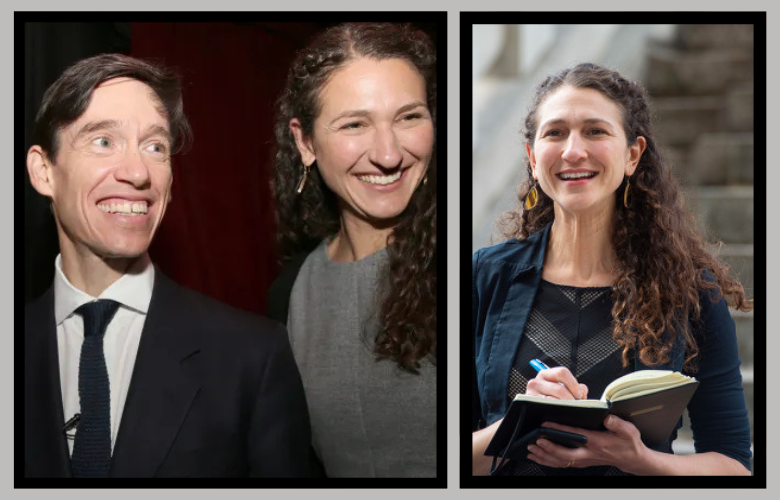
Shoshana Clark is a distinguished humanitarian leader and cultural preservation advocate whose work has influenced communities worldwide. She has dedicated her career to combining heritage restoration with sustainable economic development, empowering local communities while protecting cultural traditions. Her leadership bridges international development and local empowerment, demonstrating how thoughtful strategies can create long-term impact. Through education, advocacy, and hands-on initiatives, she has transformed the lives of artisans, students, and vulnerable populations. Her story reflects resilience, vision, and a commitment to meaningful change in the humanitarian sector.
Who is Shoshana Clark?
Shoshana Clark is an international humanitarian and cultural advocate recognized for her leadership in organizations that restore heritage and support artisans in regions affected by conflict. She is known for combining strategic insight with compassionate action, creating programs that protect cultural identity while providing sustainable livelihoods. Beyond her professional accomplishments, she is admired for her focus on ethical leadership, education, and social empowerment. Her dedication to community-led solutions has positioned her as an influential figure in cultural preservation and international development. Simply put, she is a changemaker whose work reflects both vision and humanity.
Early Life and Educational Journey
Academic Foundations and Early Interests
From an early age, Shoshana Clark demonstrated a keen interest in learning, culture, and service. She pursued studies in astrophysics, which helped develop analytical and problem-solving skills, but her experiences teaching in under-resourced schools inspired her to focus on humanitarian work. Working with diverse communities shaped her understanding of empowerment and long-term development, laying the groundwork for future initiatives. These formative experiences provided a balance of academic rigor and practical insight, preparing her to manage complex projects effectively.
Transition to Humanitarian Work
Clark’s transition from science to humanitarian leadership reflects a deep commitment to societal change. She realized that education and cultural preservation could be vehicles for sustainable development. By engaging directly with vulnerable communities, she gained first-hand experience in managing social programs and understanding local needs. This combination of academic knowledge and practical exposure prepared her for the challenges of international leadership.
Humanitarian Career and Global Leadership
Leadership at Cultural Preservation Organizations
Clark’s leadership has been particularly impactful in organizations that merge cultural preservation with economic opportunity. She has led projects that restore historic buildings, revive endangered crafts, and provide artisans with training and market access. Her approach emphasizes sustainable development, ensuring that preservation work benefits communities socially, culturally, and economically. Through her guidance, these initiatives achieve measurable outcomes while inspiring systemic change.
Philosophy of Leadership
Central to her philosophy is the belief that communities must lead projects affecting their cultural heritage and livelihoods. She emphasizes sustainability, collaboration, and the integration of traditional practices with modern economic strategies. By combining respect for cultural identity with practical empowerment initiatives, her approach ensures long-term resilience and prosperity. Her leadership demonstrates that humanitarian work can be culturally sensitive, economically viable, and strategically effective.
Key Projects and Achievements
Reviving Heritage in Conflict Zones
Shoshana Clark has successfully implemented initiatives that restore heritage buildings in regions affected by conflict. These projects not only preserve history but also create opportunities for local artisans to thrive. The revitalization of historic sites brings communities together and strengthens cultural identity. Through these programs, Clark ensures that heritage preservation is integrated with economic and social empowerment.
Supporting Artisans and Local Economies
Her work focuses on training artisans in traditional crafts while providing access to global markets. This empowers individuals to earn a livelihood while maintaining cultural practices. By combining heritage with economic sustainability, Clark’s projects serve as a model for development that respects both culture and commerce. Her impact on local economies has been significant, with long-lasting effects on communities and traditions.
Personal Life and Core Values
Private Life and Partnerships
Although she maintains a private personal life, Shoshana Clark’s values and public contributions are widely recognized. She is married to Rory Stewart, a British humanitarian and former politician, reflecting shared dedication to service, ethical leadership, and global development. Clark’s personal commitment to integrity, humility, and empathy informs her professional decisions and emphasizes impact over recognition.
Ethical Principles and Leadership Style
Clark’s leadership is guided by ethical principles and a strong sense of social responsibility. She prioritizes community empowerment, long-term planning, and culturally respectful strategies in all her projects. Her work demonstrates that transformational leadership relies on understanding local needs, listening actively, and fostering collaboration.
Contributions to Cultural Preservation
Preserving Endangered Crafts
Clark’s initiatives have protected endangered traditional crafts, ensuring that artisans can pass their knowledge to future generations. This work safeguards cultural heritage while creating economic opportunities for local communities. By combining heritage preservation with practical development strategies, Clark provides a model for sustainable humanitarian work.
Integrating Culture with Development
Her approach integrates cultural preservation with community development, showing that safeguarding traditions can coexist with economic growth. Clark’s strategies ensure that heritage programs deliver social, cultural, and financial benefits simultaneously. Her work has set a global example for culturally sensitive, community-driven development.
Global Impact and Legacy
Influencing Humanitarian Practices
The impact of Clark’s work reaches far beyond the communities she directly serves. Her approach has shaped international strategies for cultural preservation and community empowerment. By mentoring emerging leaders and demonstrating effective practices, she has left a lasting legacy in humanitarian work.
Inspiring Future Generations
Clark’s vision and dedication inspire future humanitarian leaders. Her work demonstrates that ethical, culturally aware leadership can transform communities and preserve traditions. By empowering local populations, she ensures that her influence will continue to guide sustainable development globally.
Challenges and Future Vision
Overcoming Obstacles
Shoshana Clark has faced significant challenges, including navigating complex political and social environments in fragile regions. Despite these obstacles, she continues to expand her initiatives, support artisans, and mentor future leaders. Her resilience demonstrates the importance of strategic planning and community-centered action in humanitarian work.
Vision for the Future
Her future plans include expanding cultural preservation programs globally and supporting emerging leaders in humanitarian and cultural development fields. Clark continues to emphasize empowering local communities while respecting cultural identity. Her vision ensures the long-term sustainability of the programs she has established.
Frequently Asked Questions
1. Who is Shoshana Clark?
Shoshana Clark is a global humanitarian leader and cultural preservation advocate known for her work restoring heritage sites and empowering local communities.
2. What organizations has Shoshana Clark worked with?
She is best known for her leadership at the Turquoise Mountain Foundation, where she has focused on cultural preservation, artisan support, and community development.
3. What is Shoshana Clark’s leadership philosophy?|
Her philosophy emphasizes community empowerment, sustainability, collaboration, and respecting local culture while integrating modern development strategies.
4. How has Shoshana Clark impacted cultural preservation?|
She has helped preserve endangered crafts, restore historic buildings, and provide sustainable economic opportunities for artisans in vulnerable regions.
5. What challenges has Shoshana Clark faced in her work?|
She has navigated conflict zones, fragile economies, and complex political environments, focusing on sustainable, community-driven solutions.
6. Who is Shoshana Clark married to?
Shoshana Clark is married to Rory Stewart, a British humanitarian and former politician, who shares her commitment to service and ethical leadership.
7. What is Shoshana Clark’s vision for the future?
Her vision includes expanding cultural preservation programs globally, mentoring emerging humanitarian leaders, and empowering local communities while respecting cultural identity.
Conclusion
Shoshana Clark exemplifies the combination of strategic leadership, humanitarian dedication, and cultural advocacy. Her work restoring heritage, empowering artisans, and fostering sustainable communities demonstrates the power of ethical, community-centered initiatives. By combining compassion, expertise, and respect for local traditions, she has created a model for effective humanitarian leadership. Her career continues to influence global development practices, showing that meaningful change is achievable when culture, empowerment, and strategy intersect.
