

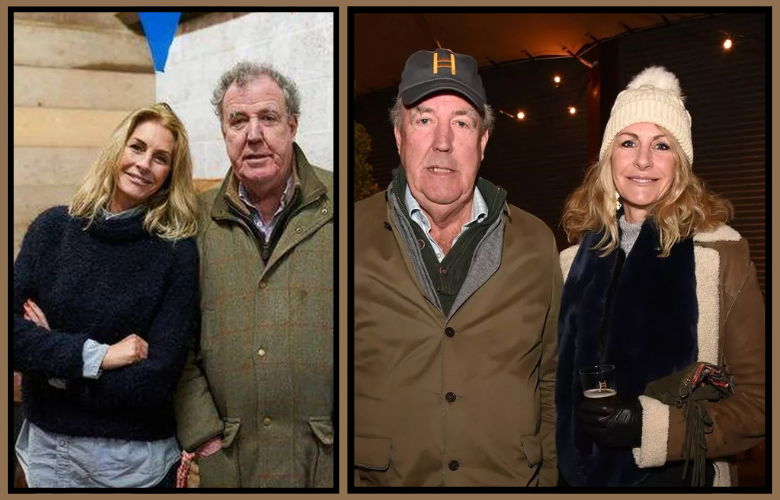
Elizabeth Mary Wilhelmina Bentinck embodies a unique combination of aristocratic heritage and contemporary achievement. Born on October 22, 1998, she has emerged as a young noblewoman who honors her family’s prestigious lineage while carving out a professional and personal path of her own. Her life is a testament to the possibilities of merging historical legacy with modern ambition. Despite her notable background, she maintains a discreet presence, emphasizing meaningful work and integrity over public attention. Elizabeth’s story highlights how nobility can evolve in the 21st century while remaining relevant and impactful.
Who Is Elizabeth Mary Wilhelmina Bentinck?
Elizabeth Mary Wilhelmina Bentinck is the daughter of Steven-Carel Johannes Bentinck, a member of the historic Bentinck family, and Lisa Hogan, an Irish actress and artist. She represents the merging of centuries-old aristocratic tradition with contemporary artistic and professional influence. From her early years, she has been exposed to both the cultural refinement of her European heritage and the creativity of her mother’s career, fostering a well-rounded perspective on life. Elizabeth is recognized for her commitment to education, personal growth, and professional responsibility. Her identity reflects a modern noblewoman who values both legacy and personal initiative, making her a notable example of contemporary aristocracy.
Early Life and Noble Heritage
Family Background and Upbringing
Elizabeth Mary Wilhelmina Bentinck was born into a family with deep historical roots in Dutch and British aristocracy. Her father’s lineage includes generations of public service, diplomacy, and influence, while her mother’s artistic pursuits added a modern, creative dimension to her upbringing. Growing up, Elizabeth experienced the intersection of history and contemporary culture, shaping her understanding of responsibility, tradition, and personal achievement. This upbringing provided her with both an appreciation for heritage and a motivation to pursue her own professional and personal goals. Her early life laid the foundation for her measured, thoughtful approach to the opportunities and responsibilities her lineage affords.
Childhood in the United Kingdom and Netherlands
Though Dutch by nationality, Elizabeth spent much of her childhood in the United Kingdom, immersed in academic environments that encouraged intellectual development and cultural awareness. She also spent time in her family’s historic estates, learning firsthand about the traditions and expectations associated with aristocracy. Exposure to both Dutch and British customs enriched her understanding of European society, allowing her to navigate cultural, social, and professional contexts with confidence. Her formative years emphasized discretion, adaptability, and respect for both history and modern societal values. This balance of heritage and personal growth became central to Elizabeth’s identity and later career choices.
Education and Formative Years
Elizabeth Mary Wilhelmina Bentinck received a comprehensive education aimed at fostering critical thinking, leadership, and social awareness. She pursued studies that developed skills essential for professional and personal success, combining academic rigor with cultural insight. Participation in civic and cultural initiatives during her youth nurtured a sense of social responsibility and civic engagement. Her education prepared her to engage thoughtfully with both her noble heritage and modern professional environments. This balanced development allowed Elizabeth to enter adulthood with a clear understanding of how to merge tradition with contemporary relevance. Her formative years exemplify how aristocratic upbringing can coexist with the cultivation of independent achievement.
Professional Life and Achievements
Career as a Director
In April 2023, at the age of 24, Elizabeth Mary Wilhelmina Bentinck was appointed Director of a UK-registered company. This role placed her in a position of strategic responsibility and leadership, demonstrating competence beyond ceremonial expectations. Her professional engagement reflects a modern approach to aristocratic duty, emphasizing tangible contribution rather than symbolic recognition. Elizabeth’s career path shows her commitment to building a meaningful professional identity while honoring her heritage. Her achievements illustrate how young nobles today can combine historical influence with real-world impact and leadership.
Balancing Heritage and Modern Ambition
Elizabeth approaches her career with a strong sense of responsibility, balancing her noble heritage with her personal ambitions. She maintains privacy and discretion, avoiding the publicity often associated with prominent families. This measured approach highlights integrity, focus, and genuine influence rather than reliance on name or status alone. By combining tradition with contemporary professionalism, Elizabeth Mary Wilhelmina Bentinck exemplifies a model of modern aristocracy that values achievement, character, and social relevance. Her approach shows that noble identity can be both respectful of history and fully engaged with the demands of the modern world.
Public Image and Personal Life
Privacy and Values
Elizabeth Mary Wilhelmina Bentinck is known for maintaining a private and discreet lifestyle. She focuses on personal growth, career responsibilities, and family heritage rather than public exposure. Her choices demonstrate a commitment to substance, integrity, and meaningful engagement. By avoiding unnecessary attention, Elizabeth emphasizes the qualities that make her influence enduring and respected. Her personal life reflects a thoughtful approach to the privileges and responsibilities of nobility, showing that discretion and impact can coexist.
Influence as a Modern Aristocrat
Elizabeth’s influence is shaped by her ability to navigate history, culture, and professional responsibility thoughtfully. She exemplifies the evolution of noble identity, demonstrating that aristocracy in the modern era can be defined by merit, competence, and character. Her life shows how historical legacy can inform contemporary choices without limiting personal growth. Elizabeth Mary Wilhelmina Bentinck serves as an example of modern aristocracy, combining respect for tradition with forward-thinking professionalism and discretion.
Legacy and Cultural Significance
Connection to European History
The Bentinck family has historically contributed to European diplomacy, governance, and social influence, creating a legacy that Elizabeth inherits with awareness and respect. She continues this heritage by maintaining its principles while adapting to contemporary contexts. Her life demonstrates that historical influence can coexist with personal and professional ambition, creating a bridge between past and present. Elizabeth’s story exemplifies how noble families can preserve tradition while actively shaping their roles in the modern world.
Redefining Nobility
Elizabeth Mary Wilhelmina Bentinck redefines noble identity by combining lineage with independent accomplishment. She demonstrates that aristocracy is more than a title; it is expressed through character, responsibility, and purposeful engagement. Her balanced approach to heritage, career, and privacy provides a modern model for aristocracy that is relevant, respected, and meaningful. Elizabeth embodies a contemporary interpretation of nobility, where historical awareness, personal achievement, and professional integrity intersect seamlessly.
Frequently Asked Questions
Q1: Who is Elizabeth Mary Wilhelmina Bentinck?
A1: Elizabeth Mary Wilhelmina Bentinck is a young noblewoman of Dutch-British heritage, known for balancing her aristocratic lineage with a professional career.
Q2: What is Elizabeth Mary Wilhelmina Bentinck’s date of birth?
A2: Elizabeth Mary Wilhelmina Bentinck was born on October 22, 1998.
Q3: What is Elizabeth Mary Wilhelmina Bentinck’s profession?
A3: She is a Director of a UK-registered company, demonstrating her professional involvement beyond her noble heritage.
Q4: Who are the parents of Elizabeth Mary Wilhelmina Bentinck?
A4: Her father is Steven-Carel Johannes Bentinck, a member of the historic Bentinck family, and her mother is Lisa Hogan, an Irish actress.
Q5: Where does Elizabeth Mary Wilhelmina Bentinck live?
A5: Elizabeth Mary Wilhelmina Bentinck resides primarily in the United Kingdom while maintaining ties to her Dutch heritage.
Conclusion
Elizabeth Mary Wilhelmina Bentinck exemplifies the modern noblewoman who skillfully blends historical legacy with contemporary ambition. Her life reflects a thoughtful balance between aristocratic heritage and professional achievement, demonstrating that lineage can coexist with personal initiative and career success. From her early years influenced by both Dutch and British traditions to her role as a company director, Elizabeth shows how young nobles can remain relevant and impactful in today’s world. By maintaining privacy and discretion, she highlights the importance of integrity, character, and meaningful influence over public attention. Elizabeth Mary Wilhelmina serves as a model for how nobility can evolve in the 21st century, bridging history with modernity while shaping her own identity. Her story inspires those who wish to honor tradition while pursuing individual growth and achievement.
